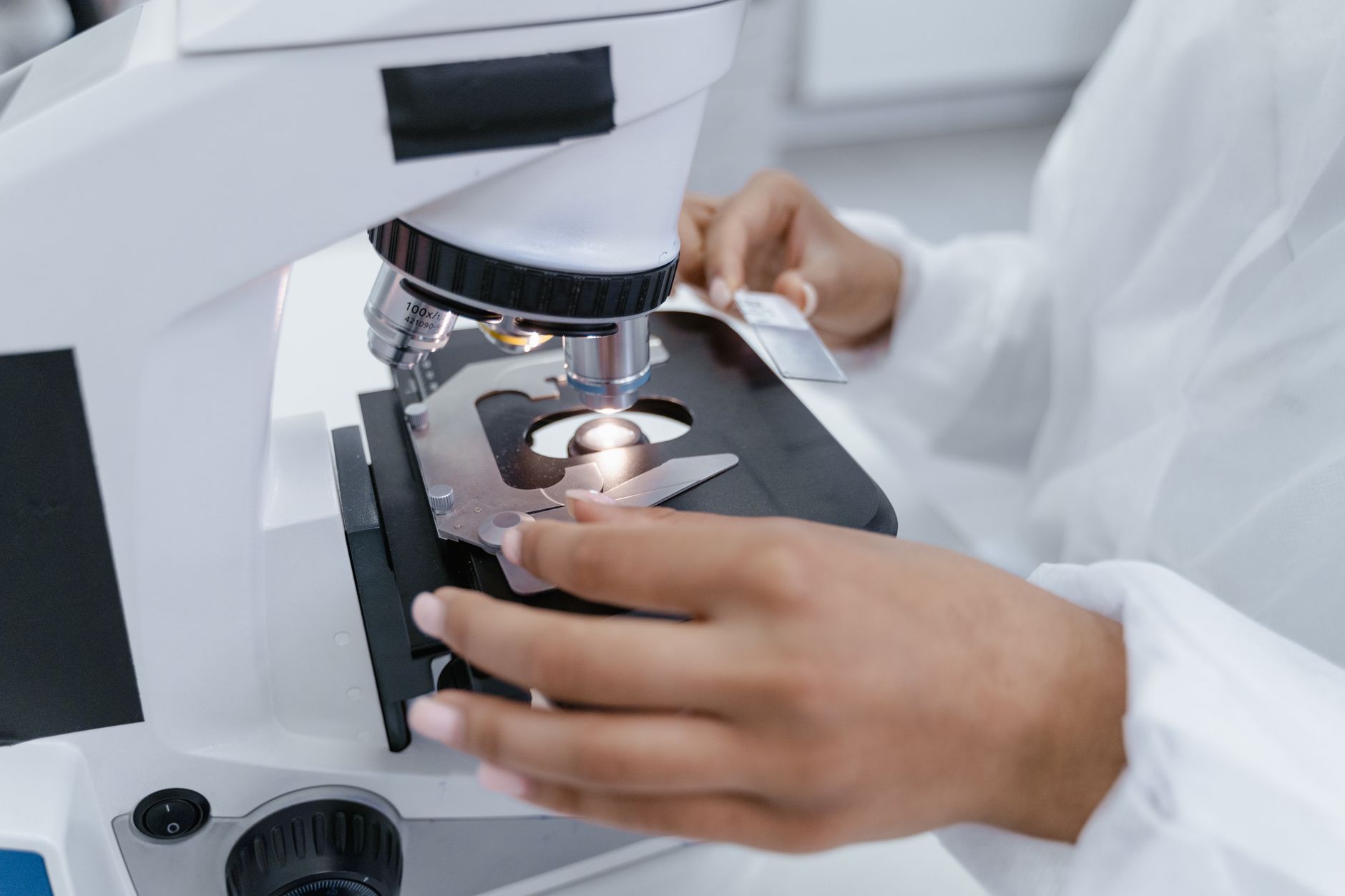
Rosalind Franklin DNA discovery has been a topic of discussion for decades, and now she is finally receiving the recognition she deserves for her contributions to science.
The Legacy of Rosalind Franklin
The legacy of Rosalind Franklin, a pioneering scientist, has gained significant recognition in recent years, particularly for her crucial role in the DNA discovery. Despite her groundbreaking contributions, Franklin’s work was often overshadowed by her male colleagues, leading to a long-standing debate about credit in scientific achievements.
Franklin’s X-ray diffraction images of DNA were instrumental in elucidating the double helix structure, a breakthrough that laid the groundwork for modern genetics. However, much of the acknowledgment for this discovery initially went to James Watson and Francis Crick, raising questions about gender bias in the scientific community.
Recent efforts to honor Franklin’s contributions have sparked discussions about the importance of recognizing all scientists’ roles in collaborative discoveries. As the narrative surrounding her legacy continues to evolve, many advocate for greater awareness of Rosalind Franklin‘s impact on science, ensuring that her story is told alongside the greats of her time.
Understanding DNA: A Brief History
The discovery of DNA’s double helix structure marked a pivotal moment in science, fundamentally altering our understanding of genetics. This breakthrough was not solely the result of James Watson and Francis Crick; it also heavily relied on the critical work of Rosalind Franklin, whose X-ray diffraction images provided essential insights.
To comprehend the significance of Franklin’s contributions, it’s essential to explore the history of DNA research:
- Early Discoveries: In the late 19th century, scientists began to identify the chemical nature of DNA.
- Franklin’s Research: By the early 1950s, Franklin’s meticulous techniques revealed crucial details about DNA’s structure.
- Watson and Crick: Utilizing Franklin’s data, Watson and Crick proposed the double helix model in 1953.
The ongoing recognition of Rosalind Franklin’s DNA discovery is essential for understanding and appreciating the collaborative nature of scientific progress.
Why Rosalind Franklin’s Work Matters
Rosalind Franklin’s work matters not only for its scientific impact but also for its ethical implications. Her pioneering research laid the foundation for understanding the structure of DNA, a discovery that has transformed biology and medicine. Despite facing significant obstacles as a woman in science, Franklin’s contributions were crucial in revealing the double helix structure through her X-ray diffraction images.
This groundbreaking work has led to numerous advancements, including the development of genetic testing and therapies for various diseases. However, it also highlights the need for recognition and justice in the scientific community. The narrative surrounding the DNA discovery often overshadowed Franklin’s role, presenting a stark reminder of the challenges faced by women in science.
As we revisit Rosalind Franklin’s DNA discovery, it becomes essential to honor her legacy and ensure that future generations of scientists appreciate the complete story of this remarkable woman.
The Fight for Recognition
The contributions of Rosalind Franklin to the DNA discovery have often been overshadowed by her male counterparts. Despite her groundbreaking work, Franklin’s role remained largely unrecognized for decades, leading to calls for justice and acknowledgment of her significant impact on science.
Many advocates emphasize the importance of correcting this historical oversight. They argue that Franklin’s meticulous research, particularly her X-ray diffraction images of DNA, was crucial in elucidating the double helix structure. As awareness grows, the fight for recognition has gained momentum.
Recent discussions in the scientific community have highlighted the need for a more equitable representation of women in science. Efforts to honor Franklin’s legacy include:
- Posthumous awards recognizing her contributions.
- Educational programs focusing on women’s roles in science.
- Public campaigns to raise awareness of her work.
As society strives for justice, the legacy of Rosalind Franklin’s DNA discovery becomes ever more vital.
Impact on Modern Genetics
The impact of Rosalind Franklin’s DNA discovery has reverberated throughout the field of genetics, shaping our understanding of life itself. Her groundbreaking work with X-ray diffraction images of DNA provided pivotal insights that were crucial in deciphering the double helix structure. This contribution has not only advanced scientific knowledge but has also paved the way for numerous medical breakthroughs.
Today, the principles derived from Franklin’s research continue to influence modern genetics in various ways:
- Genetic Research: Franklin’s findings are foundational in genetic engineering and biotechnology.
- Medical Advances: Her work has played a significant role in developing therapies for genetic disorders.
- Education: The acknowledgment of her contributions has inspired countless students and researchers in the field.
As we celebrate her legacy, the ongoing recognition of Rosalind Franklin’s DNA discovery serves as a testament to the importance of equity and justice in science.
The significance of the Rosalind Franklin DNA discovery has often been overshadowed by the contributions of her male counterparts. However, recent discussions are bringing renewed attention to the Rosalind Franklin DNA discovery and its rightful place in scientific history.
Photo by Tima Miroshnichenko on Pexels