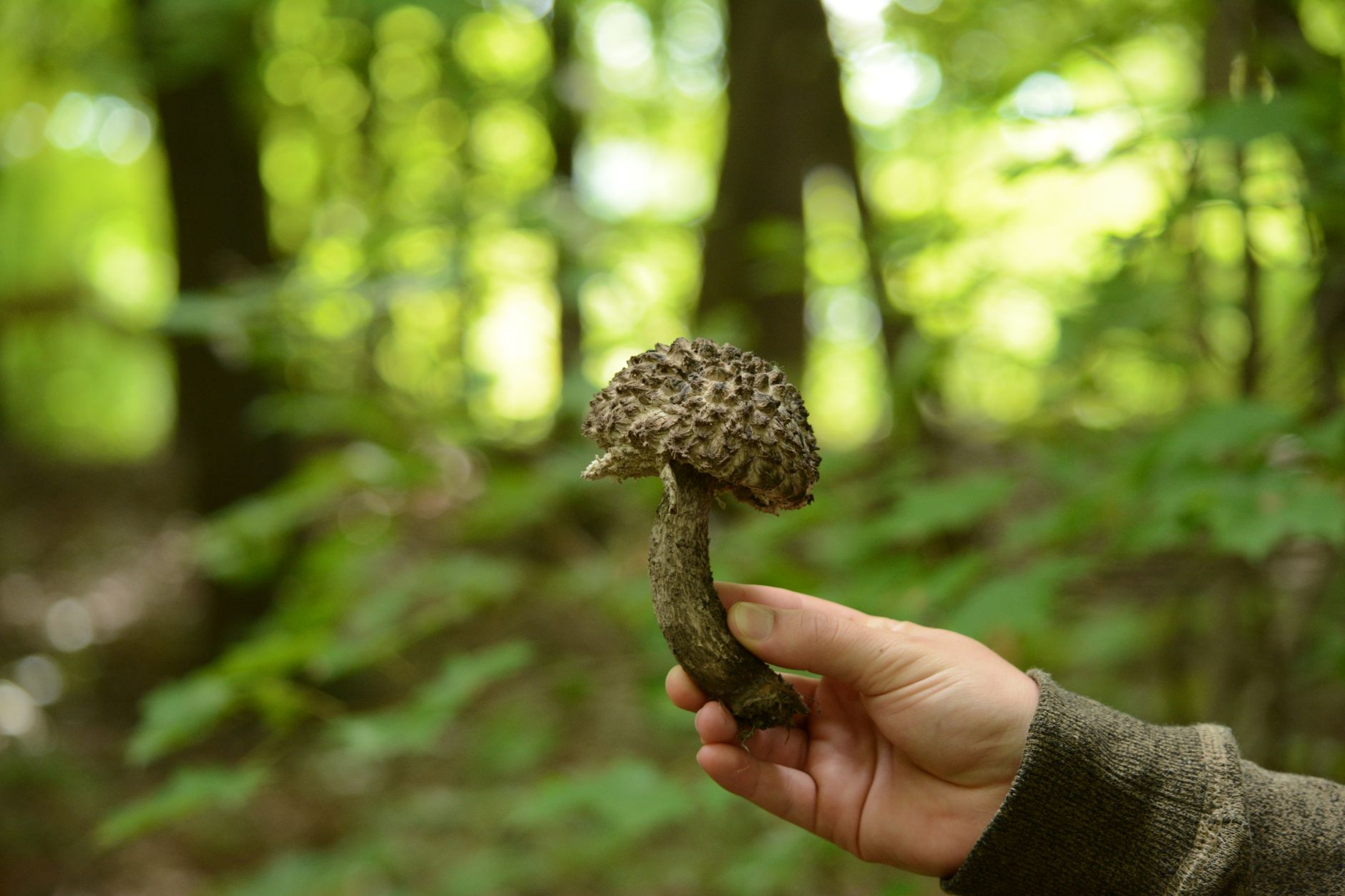
The giant fungus discovery of D-rex has captivated scientists and the public alike. This remarkable find in Chinese forests dates back an astonishing 65 million years, providing new insights into ancient life forms.
What is D-rex?
D-rex, a remarkable discovery from the heart of Chinese forests, is a giant fungus that has astonished scientists with its ancient origins, dating back an impressive 65 million years. This colossal organism represents not only a fascinating biological entity but also a significant chapter in the history of Earth’s ecosystems.
The name D-rex is derived from “Decomposer Rex,” highlighting its role in breaking down organic matter and recycling nutrients within its environment. This giant fungus is believed to cover vast areas underground, forming a complex network that connects various plant species and contributes to the health of the forest ecosystem.
Researchers have made groundbreaking findings regarding its genetic structure, which suggests that D-rex has adapted remarkably well to changing environmental conditions over millions of years. This giant fungus discovery provides valuable insights into the resilience of life on Earth and the intricate relationships between species.
- Location: Chinese forests
- Age: 65 million years
- Function: Nutrient recycling
- Significance: Insights into ancient ecosystems
The Significance of the Discovery
The recent discovery of the giant fungus, known as D-rex, has significant implications for our understanding of fungal biology and ecological systems. This remarkable organism, found in the forests of China, is estimated to be around 65 million years old, making it one of the oldest known fungi.
Scientists are particularly excited about this finding for several reasons:
- Evolutionary Insights: The giant fungus discovery sheds light on the evolution of fungi, revealing how they have adapted and thrived over millions of years.
- Ecological Impact: D-rex plays a crucial role in its ecosystem, contributing to nutrient cycling and supporting biodiversity.
- Biotechnological Potential: The unique properties of this giant fungus may lead to advancements in medicine and environmental science, including potential applications in biotechnology.
Moreover, the study of D-rex may help researchers understand the resilience of fungi in changing climates, making it a focal point for future studies. As scientists continue to explore the implications of this exciting giant fungus discovery, the potential for groundbreaking research and innovation remains vast.
How Was D-rex Found?
The discovery of D-rex, a giant fungus, unfolded in a remote region of Chinese forests, where scientists have long been studying ancient ecosystems. A team of researchers, intrigued by peculiar soil samples, initiated a detailed examination of the area. Their efforts were aimed at uncovering evidence of ancient life forms that might have thrived during the Late Cretaceous period.
During a routine exploration, the team stumbled upon a massive underground network of mycelium. This network, which had been spreading for millions of years, was unlike anything previously documented. The researchers conducted a series of tests, including genetic analysis and carbon dating, to ascertain the age and characteristics of the organism. They were astounded to find that this giant fungus dates back approximately 65 million years.
Among the key findings, the researchers noted:
- Extensive mycelial structures stretching across several kilometers.
- Unique genetic markers that distinguish D-rex from other known fungi.
- Potential implications for understanding ancient ecosystems and climate changes.
This giant fungus discovery has opened new avenues for research in mycology and paleobiology.
Implications for Ancient Ecosystems
The recent discovery of the giant fungus, known as D-rex, sheds light on ancient ecosystems that thrived 65 million years ago. This remarkable find not only challenges existing theories about fungal evolution but also emphasizes the role of fungi in the ecological balance of past environments.
Scientists believe that giant fungi like D-rex played a crucial role in nutrient cycling and decomposition processes during their time. Their large size suggests they could have significantly influenced the soil composition, affecting plant growth and, consequently, the entire food chain.
Moreover, the study of D-rex offers insights into how these organisms adapted to their surroundings. Understanding the characteristics of this giant fungus may reveal how fungi responded to climatic shifts and environmental changes over millennia.
- Impact on Biodiversity: The presence of such fungi likely contributed to the diversity of life forms.
- Climate Resilience: Studying D-rex can help scientists understand past climate resilience strategies.
- Modern Applications: Insights from ancient fungi may inform current ecological practices.
In summary, the giant fungus discovery has profound implications for our understanding of ancient ecosystems and their functioning.
Comparing D-rex to Other Fungi
The recent giant fungus discovery of D-rex has drawn comparisons to several other notable fungi species known for their size and unique characteristics.
- Armillaria ostoyae: Commonly referred to as the honey fungus, this organism is known for its vast underground network, spanning over 2,385 acres in Oregon. While D-rex dwarfs many fungi in age, Armillaria ostoyae holds the record for the largest organism by area.
- Giant Puffball (Calvatia gigantea): This species can grow to the size of a basketball and is known for its unique spore release mechanism. However, D-rex’s age and its implications for understanding ancient ecosystems set it apart.
- Fomitopsis betulina: Also known as birch polypore, this fungus is notable for its medicinal properties. While not as large as D-rex, it plays a crucial role in forest health.
These comparisons highlight the diversity in size and function among fungi, yet D-rex’s unprecedented size and historical significance mark it as a standout in the context of the giant fungus discovery.
Future Research Directions
The discovery of D-rex, a giant fungus dating back 65 million years, has opened up new avenues for research in mycology and paleobiology. Future research directions aim to explore the ecological roles that such giant fungi may have played in ancient ecosystems and how they interacted with other organisms.
Researchers are particularly interested in the following areas:
- Genetic Analysis: Investigating the genetic makeup of D-rex could reveal insights into its evolutionary history and adaptations.
- Environmental Impact: Understanding how giant fungi like D-rex influenced soil health and nutrient cycling during their time.
- Climate Change Effects: Studying how ancient climates affected fungal growth and distribution may provide clues for current climate scenarios.
- Comparative Studies: Analyzing D-rex alongside other known fungi can help clarify the diversity and evolutionary relationships within the fungal kingdom.
Overall, the giant fungus discovery serves as a reminder of the complexity of ancient life and the potential for uncovering new knowledge through focused scientific inquiry. As research progresses, it may redefine our understanding of fungi’s roles in past and present ecosystems.
The giant fungus discovery has opened new avenues for research in mycology and ecology. Scientists are eager to explore the implications of this giant fungus discovery on our understanding of fungal networks and their role in the ecosystem.
Photo by Zane Blacquier on Pexels