solar eruptions auroras are set to light up the northern US tonight, offering a breathtaking spectacle for skywatchers. These solar events could lead to vibrant displays of the northern lights, captivating many across the region.
What Are Solar Eruptions?
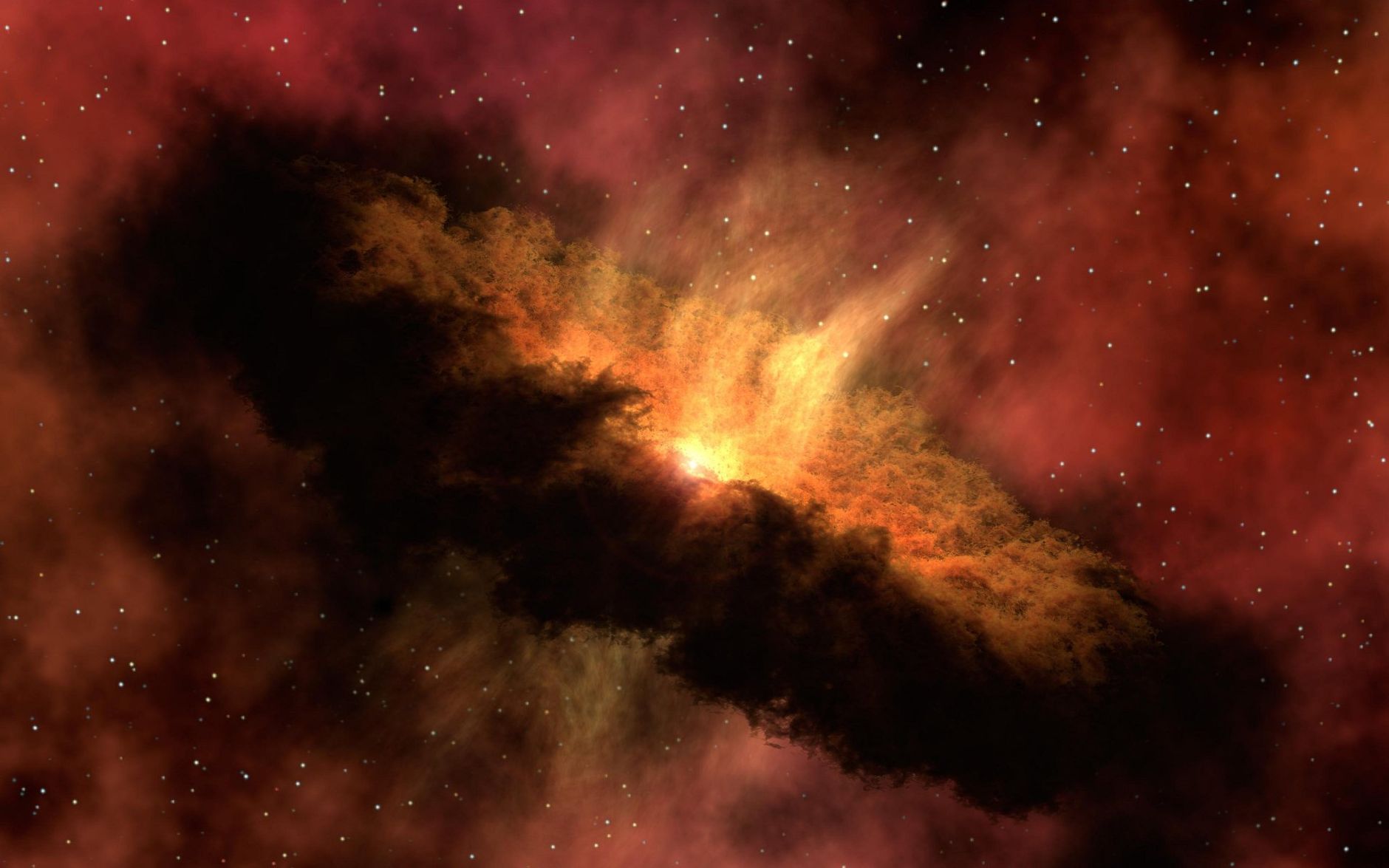
Solar eruptions, also known as solar flares or coronal mass ejections (CMEs), are powerful bursts of energy and plasma from the Sun’s surface. These events occur when magnetic energy that has built up in the solar atmosphere is suddenly released. The energy produced can be immense, often equivalent to millions of hydrogen bombs detonating simultaneously.
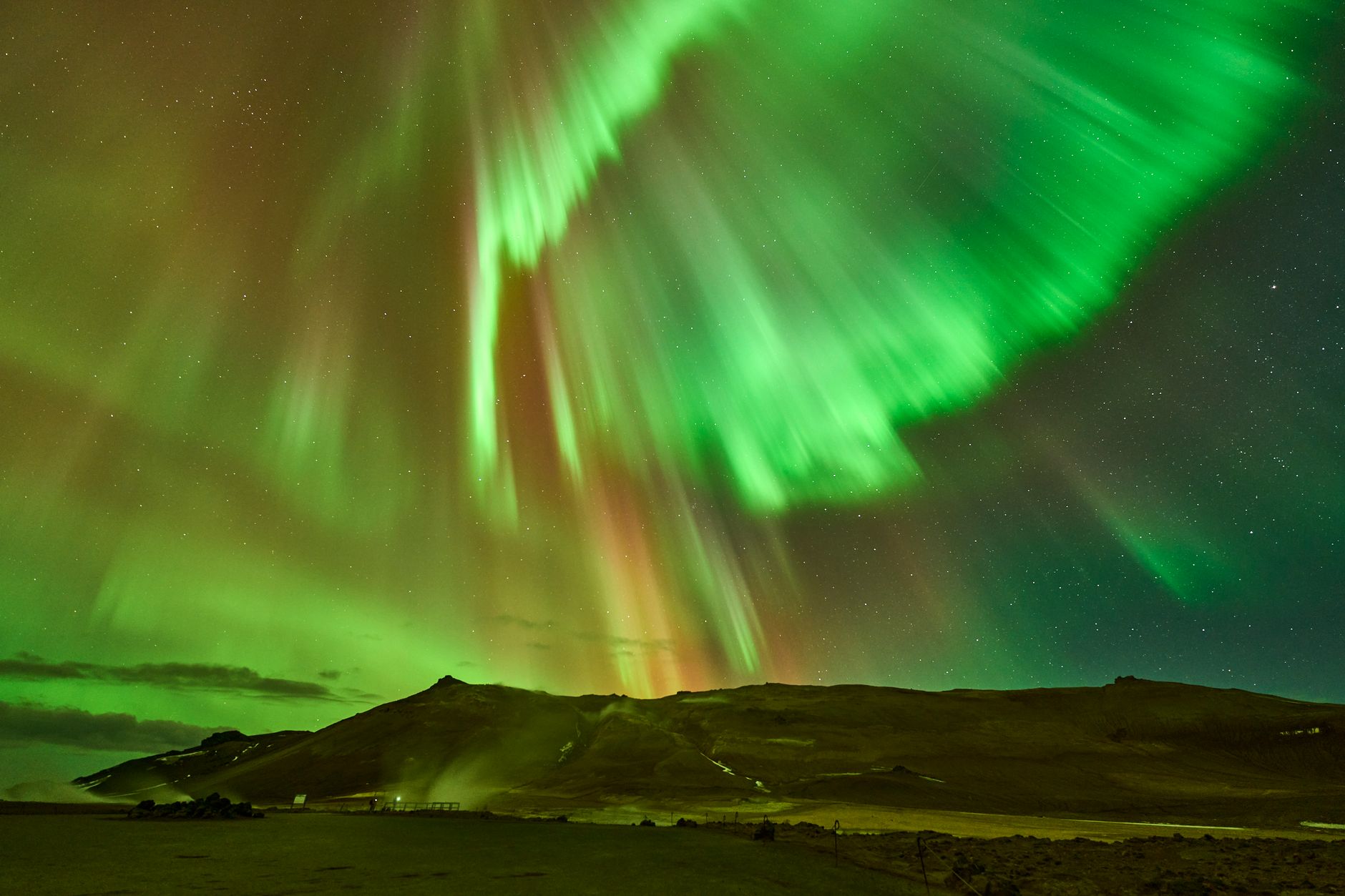
When solar eruptions take place, they can send streams of charged particles hurtling toward Earth. If these particles collide with the Earth’s magnetic field, they can create stunning natural displays known as auroras. These vivid lights, primarily observed in high-latitude regions, are often referred to as the Northern and Southern Lights.
In recent weeks, scientists have observed increased solar activity, leading to predictions of multiple solar eruptions. As these eruptions occur, they have the potential to spark auroras across the northern United States. This phenomenon not only captivates skywatchers but also serves as a reminder of the dynamic nature of our solar system and the intricate interactions between the Sun and Earth.
How Auroras Form
Auroras, often referred to as the Northern Lights, are spectacular natural light displays that occur when charged particles from solar eruptions collide with the Earth’s atmosphere. These particles, primarily electrons and protons, are released during solar events such as coronal mass ejections (CMEs) and solar flares.
When these charged particles reach the Earth, they are guided by the planet’s magnetic field towards the polar regions. As they interact with gases in the atmosphere, they create stunning visual effects. The colors of the auroras can vary depending on the type of gas involved:
- Oxygen at high altitudes can produce red and green hues.
- Nitrogen can create blue and purple shades.
The intensity and visibility of auroras can increase significantly during periods of heightened solar activity. As multiple solar eruptions occur, the likelihood of experiencing these breathtaking displays rises, making the upcoming nights an exciting time for aurora enthusiasts in the northern U.S.
When to See the Northern Lights
The northern lights, or auroras, are a breathtaking natural phenomenon that many people dream of witnessing. Thanks to recent solar eruptions, the chances of seeing these stunning displays are heightened. For those in the northern United States, tonight may be the perfect opportunity to catch a glimpse of this spectacular event.
Experts suggest that the optimal time to view the auroras is between 9 PM and 2 AM, when the skies are darkest. However, the visibility of the auroras can be affected by several factors:
- Location: Find a spot away from city lights for the best view.
- Weather: Clear skies are essential, so check local forecasts.
- Solar Activity: Increased solar eruptions can enhance auroral displays.
Areas with the highest likelihood of sightings include states like Montana, North Dakota, and parts of Michigan. As the evening approaches, keep an eye on the horizon and be prepared to be amazed by the vibrant colors dancing across the sky. Don’t miss out on this incredible opportunity to witness the beauty of solar eruptions and their resulting auroras!
Effects of Solar Activity on Earth
The effects of solar activity on Earth can be both stunning and disruptive. When solar eruptions occur, they release vast amounts of energy and charged particles into space. These high-energy particles travel towards Earth, where they interact with the planet’s magnetic field and atmosphere, leading to breathtaking displays of light known as auroras.
As solar eruptions increase in frequency and intensity, the likelihood of auroras appearing in various locations also rises. This can result in vibrant colors illuminating the night sky, primarily in regions close to the poles. However, during significant solar events, such as coronal mass ejections, these phenomena can extend further south, potentially allowing people in the northern United States to witness the spectacle.
In addition to their beautiful displays, solar eruptions can have other effects on Earth. They can disrupt communication systems, interfere with GPS signals, and even pose a risk to satellites in orbit. Understanding the relationship between solar eruptions and auroras is essential for both scientists and the general public, especially during heightened solar activity, which could lead to extraordinary celestial events.
Safety Tips for Viewing Auroras
As excitement builds around the potential for stunning displays of auroras due to recent solar eruptions, it’s essential to prioritize safety while enjoying this natural phenomenon. Here are some tips to enhance your aurora viewing experience:
- Choose a Safe Location: Find a dark area away from city lights. Parks or open fields are often ideal places to view the sky.
- Dress Appropriately: Temperatures can drop significantly at night. Wear layers and bring extra clothing to stay warm during your outing.
- Stay Informed: Keep an eye on solar activity reports and forecasts for auroras. Apps and websites can provide real-time updates.
- Avoid Looking Directly at Bright Lights: If you’re using a flashlight, opt for a red filter to preserve your night vision.
- Bring a Friend: Watching the auroras can be a magical experience. Sharing it with someone can enhance the enjoyment and ensure safety.
By following these safety tips, you can fully appreciate the beauty of solar eruptions and their resulting auroras while ensuring a memorable experience.
When solar eruptions occur, they can send charged particles racing toward Earth, creating stunning displays known as solar eruptions auroras. These natural light shows are not only beautiful but also serve as a reminder of the dynamic relationship between our planet and the sun.
Photo by Francisco Cornellana Castells on Pexels