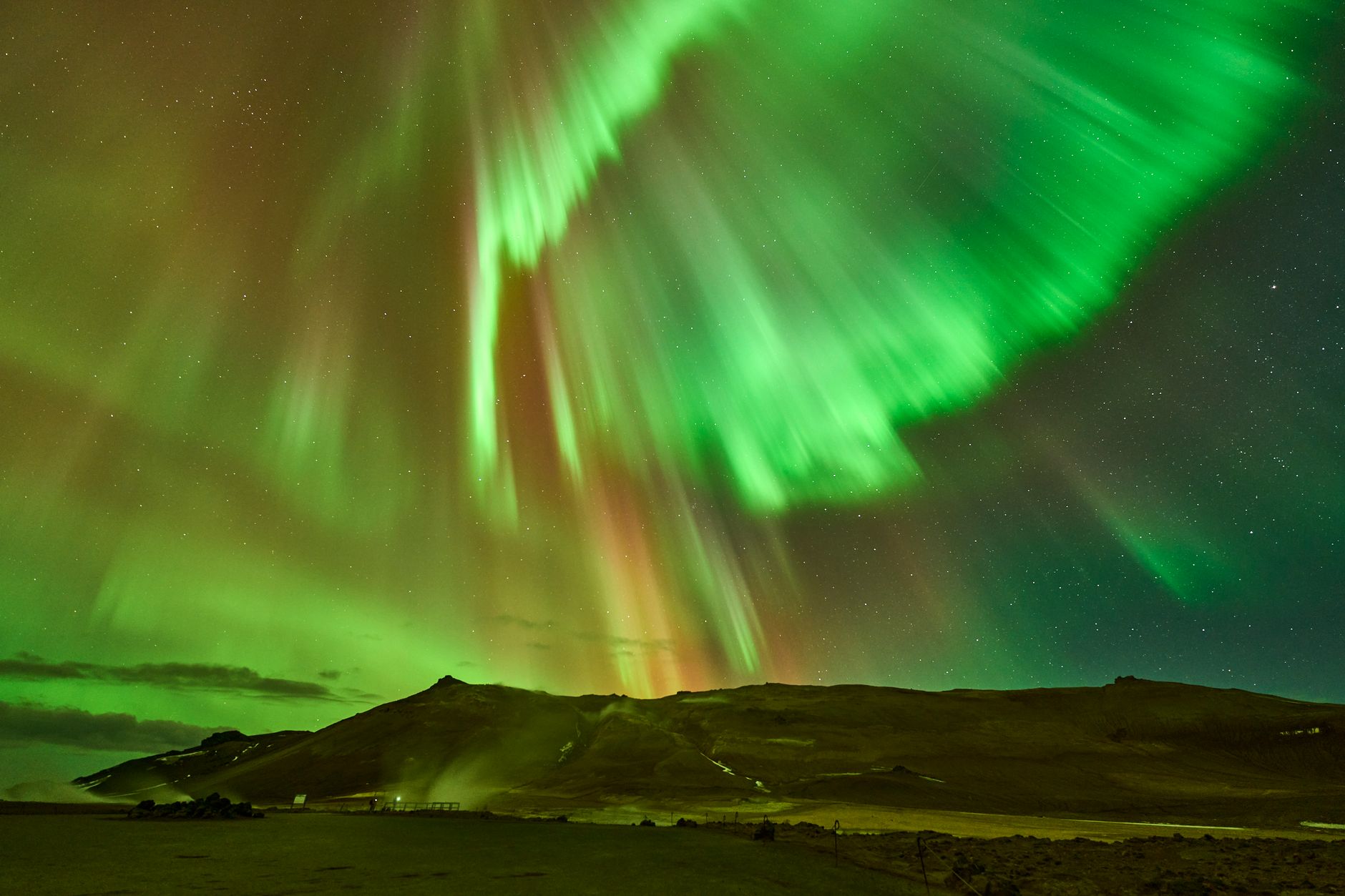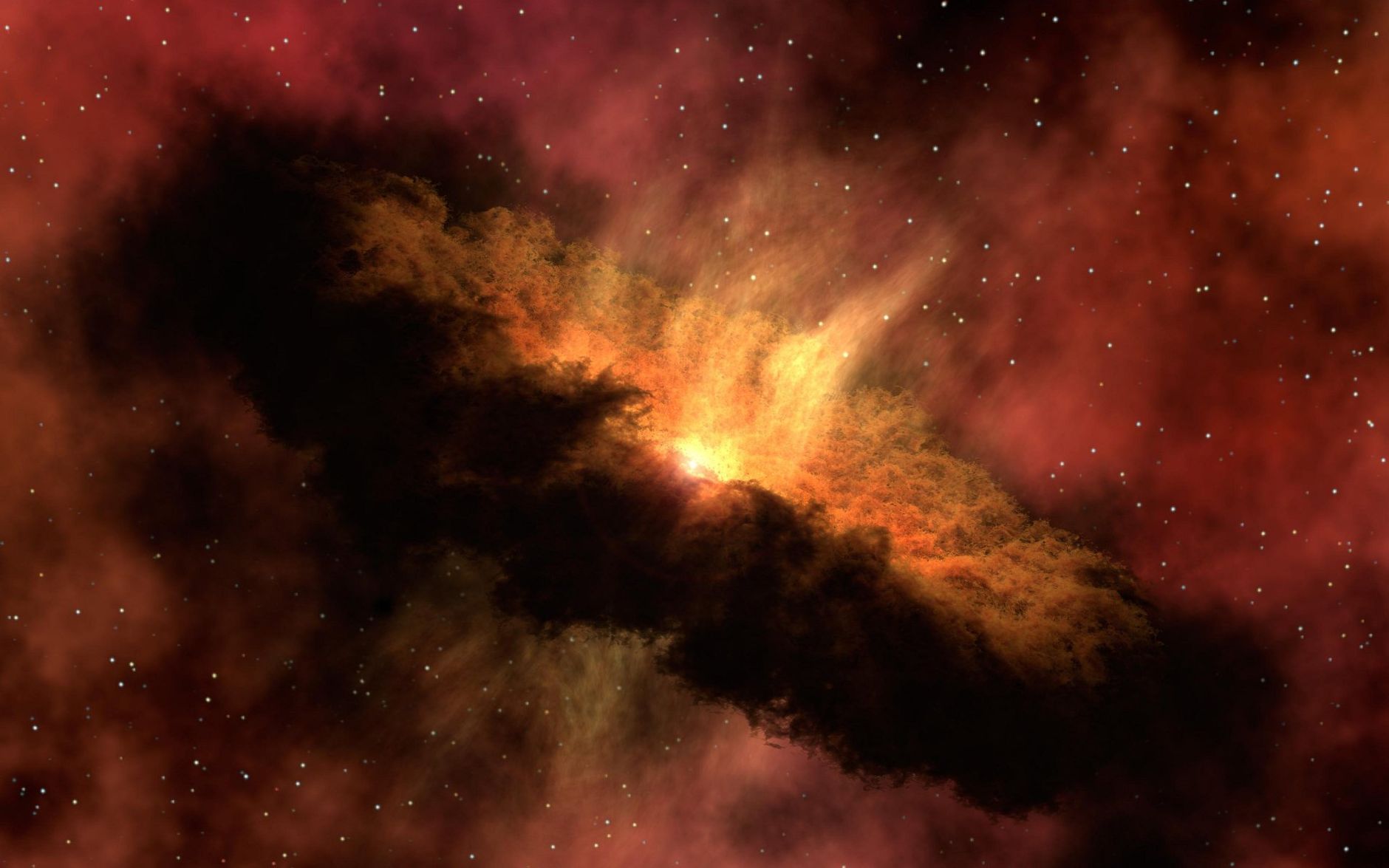
Strange universe discoveries are reshaping our understanding of the cosmos. Recent findings suggest that the universe may be much stranger than we previously imagined, prompting scientists to rethink long-held beliefs.
New Findings in Cosmology
Recent research has unveiled a series of strange universe discoveries that challenge our understanding of cosmology. Scientists have long held the belief that the universe is uniform in nature, but new observations suggest otherwise. These findings indicate that there are vast regions of the cosmos that defy the conventional laws of physics as we know them.
Among the most intriguing discoveries are:
- Dark Energy Variability: Evidence suggests that dark energy, which drives the universe’s expansion, may not be constant across different regions.
- Galactic Clusters: Some clusters of galaxies appear to be behaving in unexpected ways, leading to questions about their formation and evolution.
- Cosmic Microwave Background Anomalies: New anomalies in the cosmic microwave background radiation have been detected, hinting at possible interactions between our universe and others.
These findings not only reshape our comprehension of the cosmos but also highlight the importance of continual exploration and observation in revealing the universe’s hidden complexities.
Understanding Cosmic Oddities
Recent advancements in astrophysics have unveiled a series of strange universe discoveries that challenge our understanding of cosmic structures. As scientists delve deeper into the fabric of the cosmos, they are uncovering phenomena that defy traditional theories.
One of the most intriguing findings is the presence of vast cosmic voids—regions in space where matter is significantly less dense than average. These voids can stretch for millions of light-years, leading to questions about the distribution of galaxies and dark matter.
Additionally, researchers have identified peculiar gravitational anomalies that suggest the influence of unseen forces or even undiscovered dimensions. Such anomalies hint at a more complex universe than previously thought, filled with mysteries waiting to be explored.
Among other discoveries, scientists have also observed strange radiation patterns emanating from distant quasars, which could provide insights into the early universe and its evolution. As these investigations continue, the universe reveals its quirks, reminding us that our cosmic understanding is still evolving.
The Evolution of Universe Theories
The evolution of universe theories has been a journey marked by numerous strange universe discoveries that challenge our understanding of the cosmos. Initially, scientists believed in a uniform universe, where physical laws and cosmic structures were the same throughout. However, recent advancements have started to unravel a much more complex picture.
Researchers have uncovered evidence suggesting that certain regions of the universe exhibit unique characteristics, leading to varying physical phenomena. This realization has prompted a reevaluation of long-held assumptions about cosmic uniformity.
Some of the most intriguing discoveries include:
- Dark Energy Variations: The presence and influence of dark energy may not be constant across the universe.
- Galactic Structures: Unusual formations and behaviors of galaxies that defy traditional models.
- Cosmic Microwave Background: Anomalies in the cosmic microwave background radiation hint at underlying complexities.
These strange universe discoveries not only redefine our perspective of the cosmos but also ignite curiosity about what lies beyond our current understanding.
Implications for Space Exploration
The recent strange universe discoveries have profound implications for the future of space exploration. As scientists uncover anomalies in cosmic structures and behaviors, our understanding of the universe’s fabric is evolving. These findings may challenge long-standing theories and prompt new approaches to scientific inquiry.
One major implication is the potential for revising our exploration strategies. With evidence suggesting that the universe is not uniform, as previously assumed, missions may need to be tailored to account for regional variations in cosmic phenomena. This could enhance our search for extraterrestrial life, as understanding diverse environments is crucial.
Moreover, these discoveries may lead to innovative technologies designed to navigate and study the intricate features of space. As researchers delve deeper into these oddities, they could uncover resources or conditions that were once deemed impossible, further fueling our quest beyond Earth.
Ultimately, embracing the strangeness of the universe could unlock new realms of knowledge, driving humanity to explore the cosmos with a fresh perspective.
Challenging Long-Held Beliefs
Recent discoveries have begun to challenge long-held beliefs about the uniformity of the universe. For decades, scientists operated under the assumption that the cosmos was a consistent entity, governed by the same physical laws throughout. However, new evidence suggests that we may be on the brink of a paradigm shift that reveals the universe is far more complex than previously thought.
Among the strange universe discoveries are anomalies in cosmic background radiation and unexpected patterns in galaxy formations. These findings indicate that certain regions of space may behave differently, leading researchers to question the fundamental principles of cosmology.
Highlights of these revelations include:
- Variable Cosmic Expansion – New data indicates that the rate of expansion may not be constant across all regions.
- Dark Matter Anomalies – Unexplained behaviors of dark matter in certain areas challenge existing models.
- Unexpected Gravitational Forces – Observations suggest that gravity may not act uniformly throughout the universe.
As scientists delve deeper into these mysteries, our understanding of the universe may evolve in ways we have yet to imagine.
The Role of Dark Matter
The universe is a vast and mysterious expanse, and one of its most intriguing components is dark matter. Despite making up about 27% of the universe, dark matter remains largely invisible and undetectable by conventional means. Its presence is inferred from the gravitational effects it exerts on visible matter, light, and the structure of the cosmos.
Recent discoveries suggest that dark matter might not be as uniform as once thought. Research indicates that its distribution could vary significantly across different regions of the universe, leading to strange universe discoveries that challenge existing models. Scientists are exploring the possibility that dark matter interacts with itself in complex ways, potentially influencing the formation of galaxies and clusters.
Understanding the role of dark matter is crucial, as it helps explain the behavior of celestial bodies and the dynamics of cosmic evolution. As researchers continue to unravel its mysteries, we may gain deeper insights into how dark matter shapes the universe and its many oddities.
Future Research Directions
As researchers continue to delve into the mysteries of the cosmos, the future of studying strange universe discoveries holds great promise. Scientists are poised to explore several key areas that may yield groundbreaking insights.
- Advancements in Technology: The development of more powerful telescopes and satellites will enable astronomers to observe distant galaxies and cosmic phenomena with unprecedented clarity.
- Interdisciplinary Collaboration: By fostering partnerships between astrophysicists, mathematicians, and computer scientists, the scientific community can enhance the modeling of complex cosmic events.
- Deep Space Missions: Upcoming missions to the outer planets and beyond aim to collect data on cosmic phenomena that challenge existing theories, potentially leading to new understandings of the universe.
- Public Engagement: Increased outreach efforts are essential to inspire the next generation of scientists, ensuring that the quest to uncover strange universe discoveries continues to thrive.
These research directions not only promise to expand our knowledge but may also redefine humanity’s place in the universe, challenging our perceptions of reality itself.
Expert Opinions on New Discoveries
Experts in the field of cosmology are increasingly intrigued by the latest strange universe discoveries that challenge our previous understanding of the cosmos. Dr. Lisa Tran, an astrophysicist at the Space Research Institute, emphasizes the importance of these findings, stating, “Every new discovery reshapes our understanding of the universe. We are witnessing phenomena that could redefine the laws of physics as we know them.”
In addition, Dr. Raj Patel, a leading researcher in dark matter studies, notes that these insights offer potential explanations for previously unaccounted-for anomalies. “The universe is far more complex and peculiar than we initially believed. These strange discoveries open doors to new questions about the very fabric of space and time,” he explains.
Moreover, the community is buzzing with excitement over the implications of these findings. As Dr. Emily Chen puts it, “With each revelation, we are not only expanding our knowledge but also igniting curiosity about what lies beyond our current theories.”
In conclusion, these strange universe discoveries are paving the way for a deeper exploration of cosmic mysteries.
Recent strange universe discoveries have shed light on phenomena that challenge our understanding of physics. These strange universe discoveries not only expand our cosmic knowledge but also inspire new questions about the nature of reality.
Photo by Pixabay on Pexels
References
Related reading
UPSSSC Senior Instructor Recruitment: Easy Steps to Apply · Logan Jake Paul Competition Series: Is It the Best New Show? · AI model transcripts: Best proven methods for analysis