Public discussion surrounding cannabis products often focuses on their appearance or cultural history, while less attention is given to composition, impairment, and health awareness. Weed hash is a concentrated cannabis preparation, and understanding it responsibly involves examining its characteristics without presenting consumption as risk-free. The following FAQ-style guide provides general educational information for readers seeking a clearer perspective.
What is hash made from?
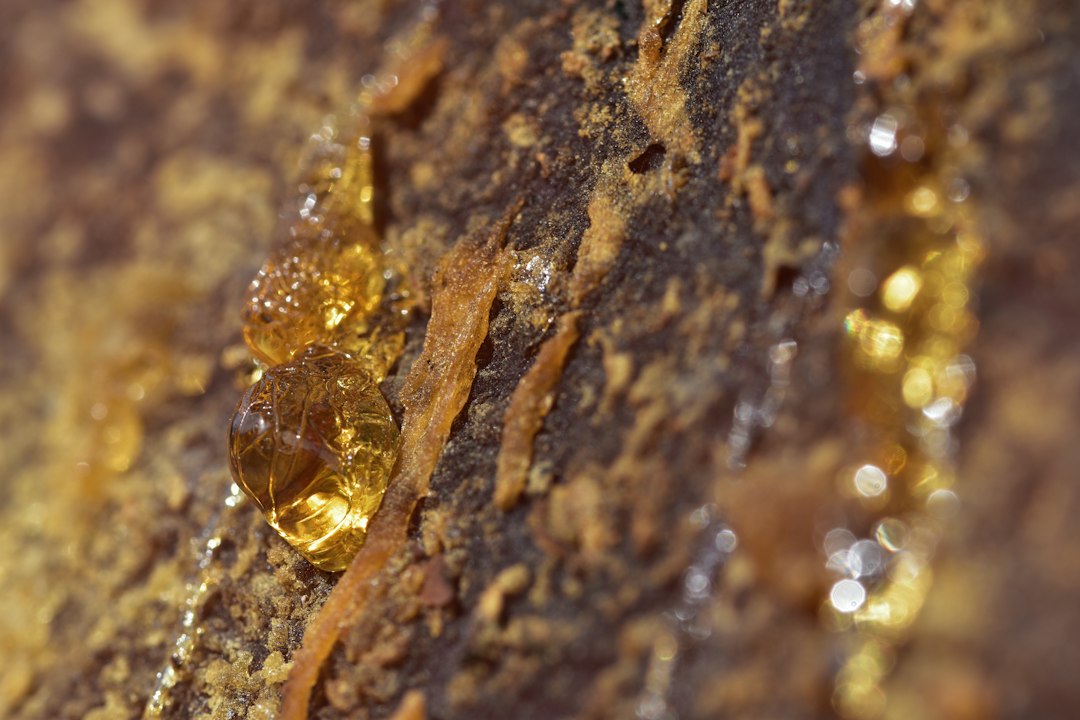
Hash is traditionally made from the resin-rich trichomes found on cannabis plants. These small structures contain cannabinoids and aromatic compounds. The resin may be collected and compressed into different forms. Traditional techniques vary, so physical characteristics can differ significantly from one product to another.
Why is hash considered concentrated?
Hash contains collected resin rather than the broader mixture of leaves, stems, and flowers found in some other cannabis preparations. This concentration can lead to stronger cannabinoid exposure depending on the product. Because composition varies, appearance alone cannot reliably establish how a particular preparation may affect someone.
What should people know about THC?
THC is the principal intoxicating cannabinoid associated with cannabis. It can alter perception, attention, memory, coordination, and judgment. Products containing higher concentrations may produce stronger effects, but individual responses can still vary considerably. Understanding THC content is therefore relevant when evaluating cannabis-related risks.
Can cannabis effects vary between people?
Absolutely. Age, body chemistry, previous exposure, mental state, other substances, medications, and the chemical composition of the product can all influence the experience. Some people may experience relaxation, while others may experience anxiety, paranoia, confusion, or physical discomfort.
Why is impaired driving a concern?
Cannabis can slow reaction time and affect judgment and coordination. These changes can interfere with safe driving even when a person feels capable of operating a vehicle. Responsible awareness therefore means separating cannabis use from activities where impairment could endanger the individual or other people.
Can hash use become problematic?
For some individuals, repeated cannabis use can develop into a pattern that is difficult to control. Warning signs can include unsuccessful attempts to cut back, continued use despite problems, or increasing reliance on cannabis in daily life. Recognizing these patterns is more useful than assuming dependence affects everyone equally.
Are there special concerns for younger people?
Yes. Adolescence and early adulthood are important periods of brain development. Cannabis exposure during these stages may carry additional concerns involving attention, learning, memory, and mental health. Young people should receive age-appropriate, evidence-based information rather than promotional messaging.
What role does responsible storage play?
Cannabis products should be kept away from children and anyone who should not have access to them. Secure storage can reduce accidental exposure and prevent unintended access. Clear labeling and appropriate handling are particularly important in households where children or pets are present.
Why does local law matter?
Cannabis regulations differ substantially between jurisdictions. Rules may address possession, cultivation, sale, public consumption, transportation, and driving. Information that is accurate in one location may be incorrect elsewhere, so readers should consult current official regulations applicable to their area.
What is the responsible conclusion?
Hash is neither simply an ordinary plant product nor something whose effects can be predicted from appearance. It is a concentrated cannabis preparation with variable composition and potential effects on cognition, coordination, and wellbeing. Responsible awareness means understanding these factors, recognizing individual risks, respecting legal requirements, and seeking professional guidance when health concerns arise.
Key Takeaways
- Hash is made from the resin-rich trichomes found on cannabis plants, which contain cannabinoids and aromatic compounds.
- Hash is considered concentrated because it contains collected resin, leading to potentially stronger cannabinoid exposure compared to other cannabis preparations.
- THC is the principal intoxicating cannabinoid in cannabis that can alter perception, attention, memory, coordination, and judgment, with effects varying between individuals.
- Cannabis use can slow reaction times and affect judgment, making impaired driving a significant concern even when users feel capable of driving.
- Repeated cannabis use can develop into an uncontrollable pattern for some individuals, illustrated by warning signs such as unsuccessful attempts to cut back.
- Cannabis exposure during adolescence and early adulthood may negatively impact brain development, requiring young people to receive evidence-based information.