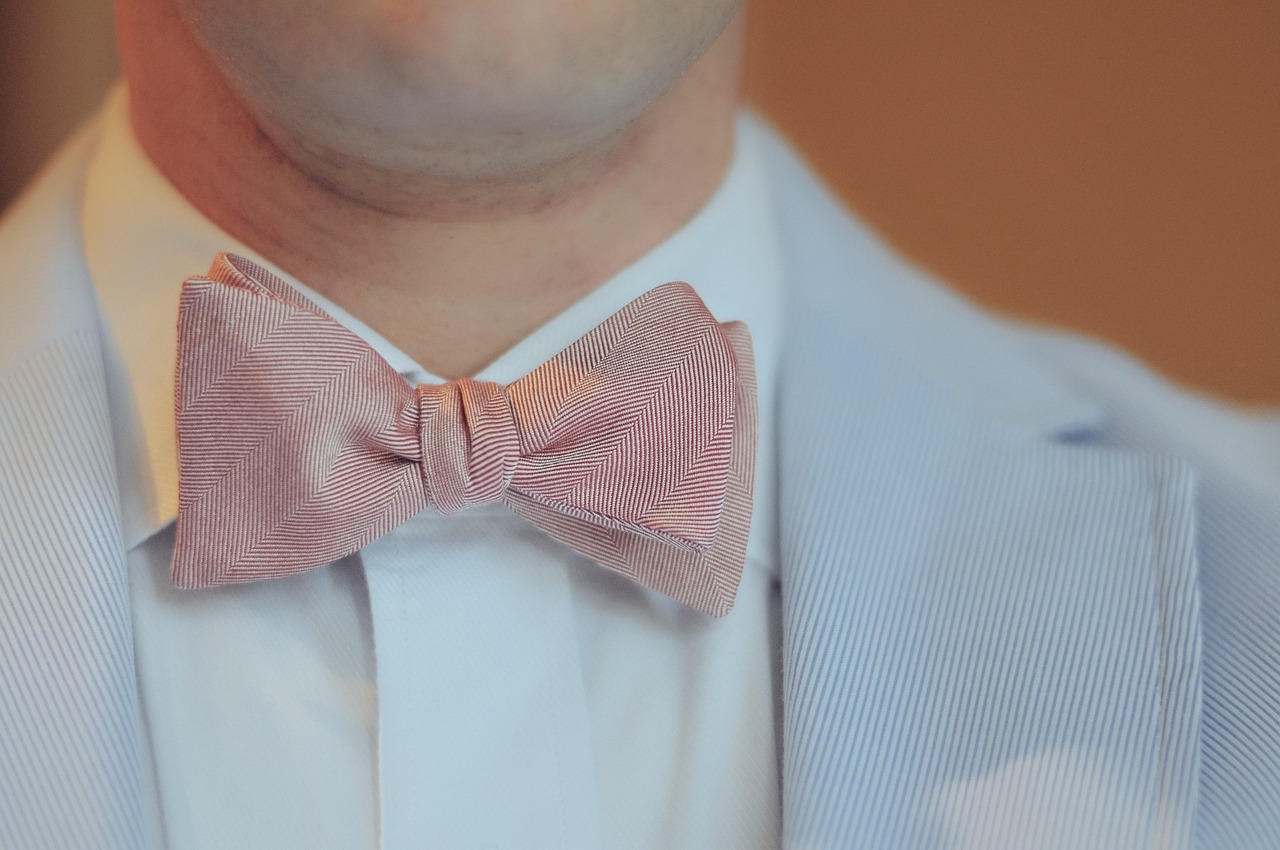
Colors that look good on pale skin can truly enhance your natural beauty. Soft pastels like blush pink and mint green can complement your complexion, while bold jewel tones such as emerald green and royal blue can make a striking statement. Experimenting with different hues can help you find the perfect colors to make your pale skin glow. Don’t shy away from vibrant colors; they can add a pop of excitement to your look. Understanding what colors look good on pale skin is the key to creating a stylish and flattering wardrobe. Let’s dive deeper into the world of color!

Discovering the Perfect Colors for Pale Skin
Welcome to our guide on finding the best colors for pale skin! If you have fair skin, you might often wonder which colors will complement your complexion the most. Fear not, as we are here to help you navigate through the rainbow of possibilities to find the shades that will make your pale skin glow. Let’s delve into the world of colors and unlock the secrets to enhancing your natural beauty!
The Basics of Color Theory
Before we dive into specific colors that work well with pale skin, let’s touch on some basics of color theory. Understanding the color wheel can help you make informed choices when it comes to selecting clothing, makeup, and accessories that flatter your complexion.
The color wheel consists of primary colors (red, blue, and yellow), secondary colors (green, orange, and purple), and tertiary colors (mixtures of primary and secondary colors). Complementary colors are opposite each other on the color wheel and can create a striking contrast when paired together.
Colors for Pale Skin
Now, let’s explore the spectrum of colors that look particularly stunning on pale skin.
Ravishing Reds
Red is a bold and vibrant color that can add warmth to pale skin tones. Opt for shades like cherry red, burgundy, or deep crimson to create a striking contrast against your fair complexion. Red lipstick can instantly brighten up your face and make a statement.
Beautiful Blues
Blue is a versatile color that complements pale skin beautifully. Light blue hues like sky blue or powder blue can create a soft and serene look, while navy or royal blue can add sophistication and depth to your outfit. Consider incorporating blue into your wardrobe for a refreshing and calming effect.
Gorgeous Greens
Green is a refreshing color that can work wonders for pale skin tones. Shades like emerald green, mint green, or olive green can enhance your complexion and bring out the natural undertones of your skin. Experiment with different green hues to discover which ones suit you best.
Perfect Pinks
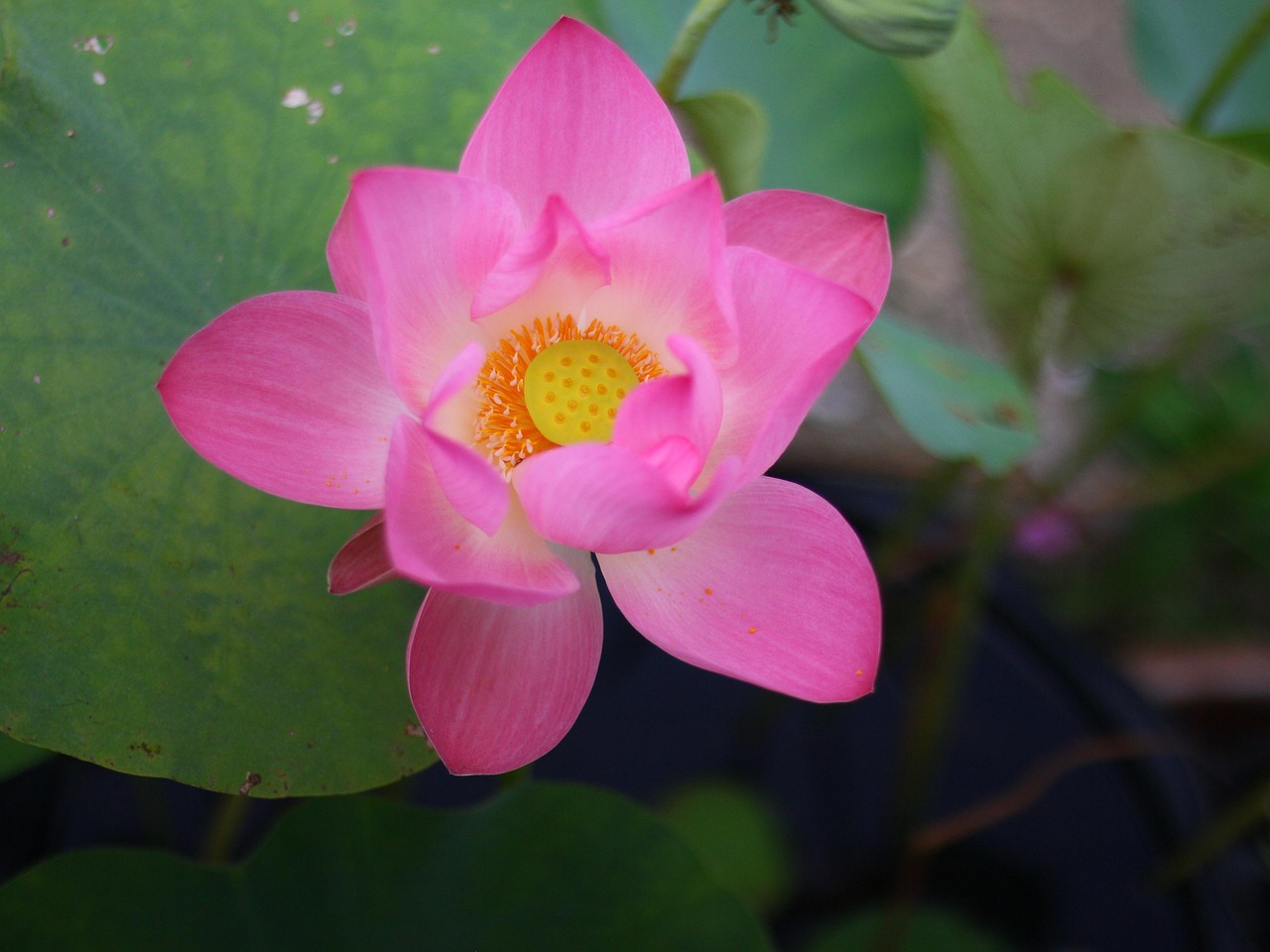
Pink is a flattering color for pale skin, offering a range of options from soft pastels to vibrant fuchsias. Baby pink, blush pink, or dusty rose can impart a delicate and feminine look, while hot pink or magenta can make a bold statement. Embrace the power of pink to add a touch of romance to your style.
Classic Neutrals
Neutrals such as black, white, gray, and beige are timeless choices that complement pale skin effortlessly. These colors provide a versatile base for building your outfit and allow you to showcase your accessories or makeup. Mix and match neutrals with bolder shades to create a balanced and chic ensemble.
Tips for Choosing Colors
When selecting colors for your pale skin, keep the following tips in mind:
- Consider your undertones: Whether you have cool, warm, or neutral undertones can influence which colors look best on your skin.
- Experiment with different shades: Don’t be afraid to try new colors and step out of your comfort zone to find what works for you.
- Pay attention to fabric textures: Different fabrics can affect how colors appear on your skin, so consider the fabric when choosing clothing.
- Accessorize wisely: Use accessories like scarves, jewelry, and belts to add pops of color to your outfit without overwhelming your complexion.
Now that you have a better understanding of what colors look good on pale skin, it’s time to embrace the rainbow and experiment with different hues to enhance your natural beauty. Remember, the key is to have fun with colors and express your unique style with confidence. Whether you’re rocking a bold red lip or embracing the tranquility of blue tones, let your personality shine through in every shade you choose. Here’s to a colorful and vibrant journey ahead!
Thank you for joining us on this colorful adventure!
Frequently Asked Questions
What are some colors that complement pale skin tones?
Colors that look good on pale skin tones include soft pastels like light pink, peach, mint green, and baby blue. Earthy tones such as taupe, olive green, and terracotta can also complement pale skin beautifully. Jewel tones like deep purple, emerald green, and sapphire blue can add a pop of color without overwhelming the complexion.
Can pale skin tones wear bright colors?
Yes, pale skin tones can wear bright colors to create a striking contrast. Vibrant hues like hot pink, electric blue, and fiery red can look stunning on pale skin. Just be mindful of choosing colors that suit your personal style and make you feel confident.
Are there any colors that pale skin tones should avoid?
While pale skin tones can pull off a wide range of colors, it’s generally advisable to avoid wearing shades that wash out your complexion. Steer clear of muted or dull colors that may make you appear paler. Additionally, be cautious with very pale or neon colors that can clash with your natural undertones.
Final Thoughts
When it comes to choosing colors for pale skin, consider cool tones like pastels, jewel tones, and deep hues. These colors can complement paler skin tones and make them pop. Avoid colors that wash out your complexion, such as beige or muted shades. Experiment with different shades to find what works best for you. Ultimately, wearing colors that look good on pale skin can enhance your natural beauty and make you feel confident in your style choices.