

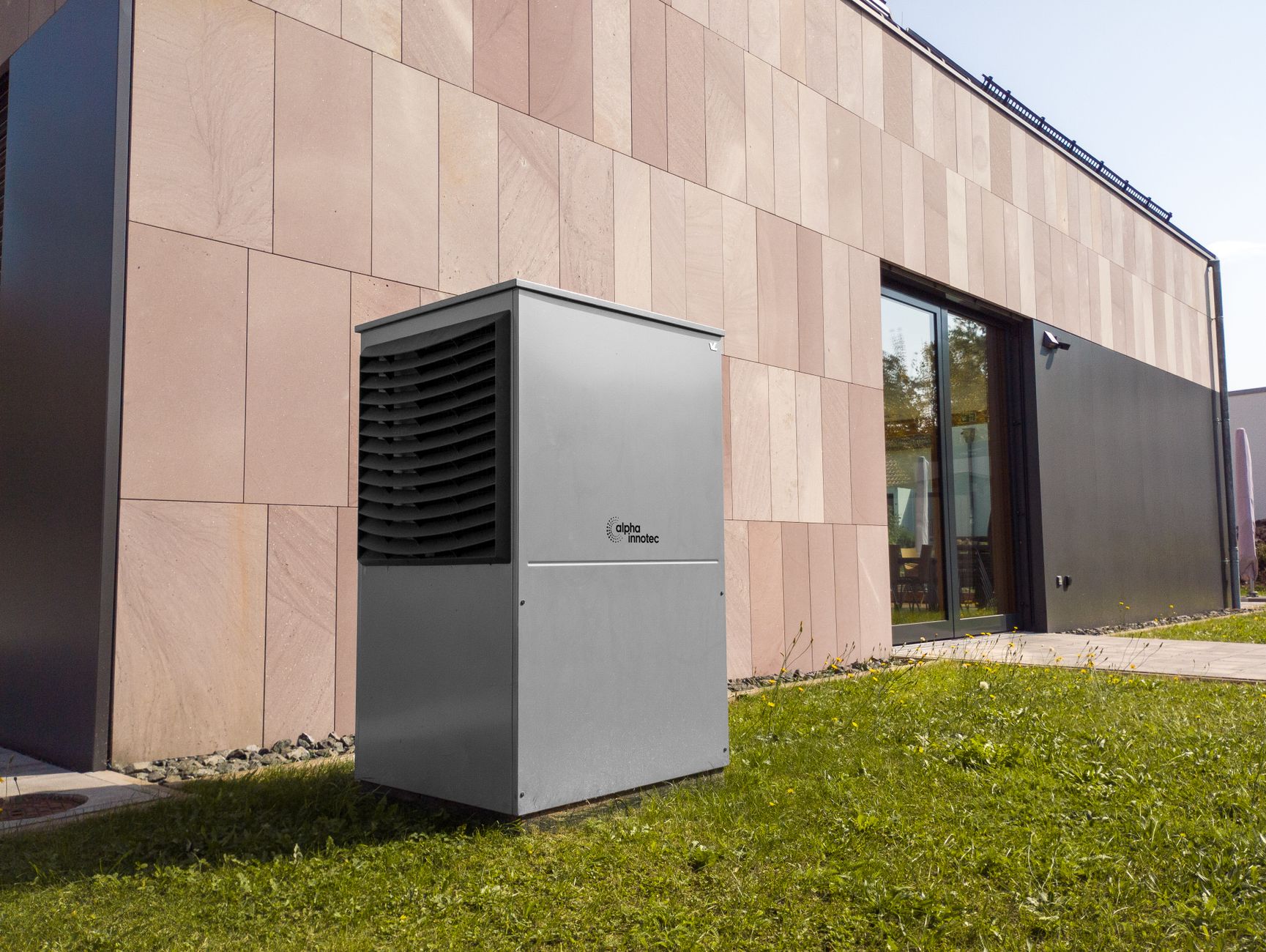
Heat pumps home needs are crucial for optimizing your heating system. Understanding how much heat your home really needs can lead to better energy efficiency and comfort.
What Are Heat Pumps?
Heat pumps are an increasingly popular option for managing home temperature, providing both heating and cooling solutions. They work by transferring heat rather than generating it, making them an energy-efficient choice for homeowners.
There are several types of heat pumps, including:
- Air-source heat pumps: These are the most common and extract heat from the outside air, even in cold temperatures.
- Ground-source (geothermal) heat pumps: These systems use the stable temperature of the ground to provide heating and cooling.
- Water-source heat pumps: These utilize bodies of water to help regulate temperature, suitable for homes near lakes or rivers.
When assessing your home’s heating and cooling requirements, it’s essential to consider your specific needs and the climate in your area. Understanding how heat pumps can meet your home needs is crucial for efficient energy use and comfort.
In addition to being environmentally friendly, heat pumps can lead to significant savings on energy bills. By selecting the right type of heat pump for your home, you can ensure optimal performance and comfort throughout the year.
How Do Heat Pumps Work?
Heat pumps are an innovative technology designed to efficiently heat and cool homes by transferring heat rather than generating it. They operate on a simple principle, utilizing a refrigerant that absorbs and releases heat as it circulates through the system. Understanding how heat pumps work is essential to determining your home needs when it comes to temperature control.
- Heat Absorption: In heating mode, the heat pump extracts heat from the outside air, ground, or water, even in cold temperatures.
- Heat Transfer: The absorbed heat is then compressed, raising its temperature, before being transferred into the home.
- Heat Release: Inside the home, the warm air is distributed through ducts or vents, effectively warming the living space.
In cooling mode, the process reverses. The heat pump removes heat from the indoor air and releases it outside, providing a comfortable environment during hot months.
Understanding how heat pumps work helps homeowners make informed decisions regarding their heating and cooling solutions. By addressing your specific heat needs, you can optimize energy efficiency and comfort, ensuring your home remains at the ideal temperature year-round.
Assessing Your Home’s Heating Needs
Assessing your home’s heating needs is crucial before deciding on the best heat pump for your situation. Understanding the specific requirements of your space ensures efficiency and comfort throughout the colder months.
To effectively evaluate your heating needs, consider the following factors:
- Size of Your Home: The total square footage plays a significant role in determining the heat output required. Larger homes will generally need more powerful heat pumps.
- Insulation Quality: Well-insulated homes will retain heat more effectively, reducing the size and capacity of the heat pump needed. Assess your walls, windows, and roof insulation.
- Climate Zone: The local climate significantly affects heating requirements. Colder regions may necessitate more robust systems compared to milder areas.
- Existing Heating Systems: If you have other heating sources, consider how a heat pump can complement or replace them to meet your home’s heating needs.
- Occupancy Patterns: Understanding how often and when you use your home can provide insight into the necessary heating levels.
By thoroughly analyzing these elements, you can make an informed decision when choosing a heat pump to meet your home needs effectively.
Benefits of Using Heat Pumps
Heat pumps are becoming increasingly popular as homeowners seek efficient and sustainable heating solutions. The benefits of using heat pumps to meet home needs are significant and multi-faceted.
- Energy Efficiency: Heat pumps transfer heat rather than generate it, allowing them to use significantly less energy compared to traditional heating systems. This efficiency can lead to lower utility bills over time.
- Versatility: Heat pumps can provide both heating and cooling, making them a year-round solution for maintaining comfortable indoor temperatures. This dual functionality eliminates the need for separate systems.
- Environmental Impact: Utilizing heat pumps reduces reliance on fossil fuels, thereby lowering carbon emissions. This makes them an eco-friendly choice for homeowners concerned about climate change.
- Longevity: With proper maintenance, heat pumps can have a long lifespan, often lasting over 15 years. This durability provides long-term value for homeowners.
- Increased Home Value: Installing heat pumps can enhance the value of a property, appealing to environmentally conscious buyers.
In summary, heat pumps not only meet home needs effectively but also offer numerous advantages that contribute to energy savings and environmental sustainability.
Common Myths About Heat Pumps
Despite their growing popularity, there are several common myths surrounding heat pumps that can lead to misconceptions about their effectiveness for your home needs. Addressing these myths is crucial for homeowners considering this energy-efficient option.
- Myth 1: Heat pumps only work in mild climates. In reality, modern heat pumps are designed to operate efficiently even in colder temperatures, making them suitable for a variety of climates.
- Myth 2: Heat pumps are too expensive to install. While the initial investment can be higher than traditional heating systems, the long-term savings on energy bills often outweigh the upfront costs.
- Myth 3: Heat pumps are not effective for heating. Heat pumps provide reliable heating by transferring heat from outside sources, ensuring your home remains comfortable throughout the year.
- Myth 4: Heat pumps require constant maintenance. Though regular maintenance is recommended, heat pumps typically require less upkeep than traditional heating systems.
Understanding these myths can help homeowners make informed decisions about how heat pumps can cater to their home needs effectively.
Heat Pumps vs Traditional Heating Systems
When considering the heating solutions for your home, it’s essential to compare heat pumps with traditional heating systems. Each option has its unique advantages and drawbacks, which can significantly impact your comfort and energy efficiency.
Heat pumps are designed to transfer heat rather than generate it, making them highly efficient in moderate climates. In contrast, traditional systems, such as furnaces and boilers, rely on combustion or electric resistance to produce heat. This fundamental difference leads to several key distinctions:
- Energy Efficiency: Heat pumps typically consume less energy than traditional heating systems, resulting in lower utility bills.
- Installation Costs: While heat pumps may have higher upfront installation costs, their long-term savings make them a wise investment for many homeowners.
- Environmental Impact: Heat pumps are generally more environmentally friendly, as they reduce greenhouse gas emissions compared to fossil fuel-based systems.
- Heating and Cooling: Many heat pumps can also provide cooling during hot months, offering a dual-function solution that traditional systems cannot match.
In summary, evaluating your home’s heating needs is crucial when deciding between heat pumps and traditional heating systems. Each option has its place, but heat pumps often emerge as the superior choice for energy efficiency and environmental sustainability.
Choosing the Right Heat Pump for Your Home
Choosing the right heat pump for your home involves several critical considerations to ensure optimal comfort and efficiency. First, evaluate the size of your home and its insulation quality. A heat pump that is too small will struggle to maintain comfortable temperatures, while one that is too large can lead to energy waste and inconsistent heating.
Next, consider the climate in your area. Heat pumps home needs can vary significantly based on local weather patterns. In milder climates, standard heat pumps may suffice; however, in regions with extreme temperatures, you may require a model designed for cold weather performance.
It’s also essential to assess the type of heat pump that best suits your home. The main options include:
- Air-source heat pumps – ideal for moderate climates and generally more affordable.
- Ground-source (geothermal) heat pumps – offer higher efficiency but come with higher installation costs.
- Hybrid systems – combine heat pumps with traditional heating sources for enhanced efficiency.
Finally, consult with a qualified HVAC professional to perform a load calculation and recommend the most suitable heat pump for your specific needs.
When evaluating heat pumps home needs, homeowners should consider factors such as energy efficiency and installation costs. Additionally, understanding the different types of heat pumps home needs can help in selecting the best system for each unique situation.
Photo by alpha innotec on Pexels