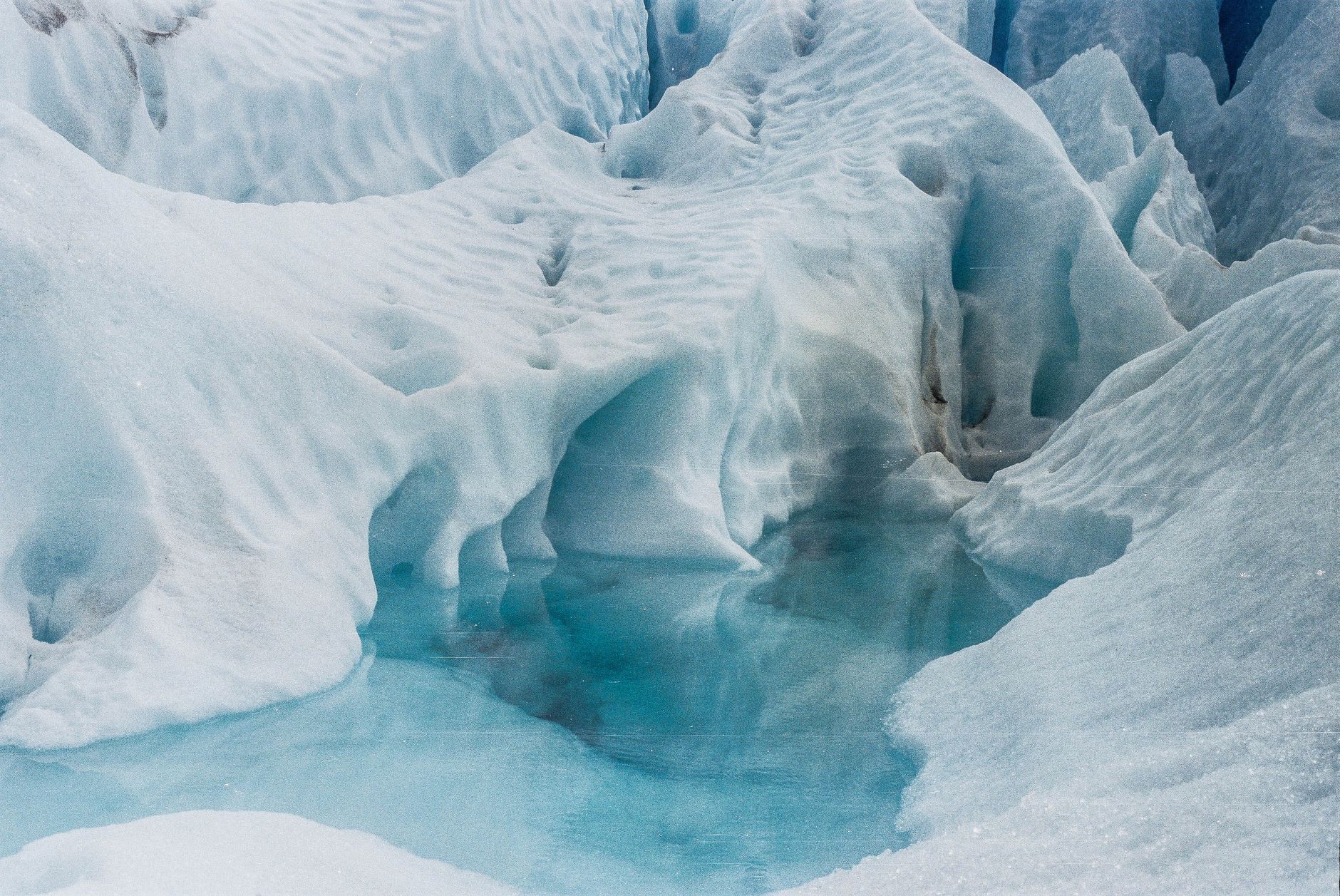
Antarctic glacier melting is occurring faster than previously thought, raising concerns about its impact on global sea levels and climate stability.
What is happening to the Antarctic glacier?
The Antarctic glacier is experiencing alarming rates of melting, significantly faster than previously estimated. This phenomenon poses serious implications for global sea levels and climate change. Recent studies indicate that a glacier the size of Senegal is shedding ice at an unprecedented pace, raising concerns among scientists and environmentalists alike.
The rapid melting of the Antarctic glacier is attributed to various factors, including:
- Rising ocean temperatures: Warmer waters are eroding the ice from below, contributing to its instability.
- Atmospheric changes: Alterations in wind patterns and temperatures are exacerbating the melting process.
- Feedback loops: As ice melts, it exposes darker ocean water, which absorbs more heat, further accelerating the melting.
This critical situation not only impacts the local ecosystem but also threatens coastal communities worldwide. Understanding the dynamics of Antarctic glacier melting is essential for predicting future climate scenarios and developing effective mitigation strategies.
The science behind glacier melting
The phenomenon of Antarctic glacier melting has significant implications for global sea levels and climate patterns. Scientists have observed that rising temperatures, particularly in the Southern Ocean, are accelerating the melting process. The following factors contribute to this alarming trend:
- Increased Ocean Temperatures: Warmer waters are eroding the ice from below, weakening the glacier’s structure.
- Atmospheric Changes: Higher air temperatures lead to surface melting, which can create melt ponds that further destabilize the ice.
- Feedback Loops: As glaciers melt, they expose darker ocean water, which absorbs more heat, perpetuating the cycle of melting.
Moreover, researchers have discovered that large icebergs calving from these glaciers contribute to rising sea levels more than previously anticipated. This Antarctic glacier melting is a stark reminder of the urgent need for climate action, as its effects can reverberate across the globe, impacting millions of lives.
Effects of melting glaciers on sea levels
The effects of melting glaciers on sea levels are profound and concerning. As the Antarctic glacier melting accelerates, it contributes significantly to rising ocean levels, which poses a direct threat to coastal communities worldwide.
The following points highlight the critical impacts:
- Increased Flooding: Higher sea levels lead to more frequent and severe flooding in coastal regions, affecting millions of people.
- Habitat Loss: Rising waters can submerge crucial habitats for wildlife, disrupting ecosystems and leading to loss of biodiversity.
- Economic Implications: Coastal cities face increased costs for infrastructure repairs and adaptations to combat flooding and erosion.
- Saltwater Intrusion: As sea levels rise, saltwater can encroach into freshwater supplies, compromising drinking water and agriculture.
Overall, the rapid melting of Antarctic glaciers poses a serious challenge that requires immediate attention and action to mitigate its impact on climate change and global communities.
Why this matters for global climate
The ongoing Antarctic glacier melting poses significant threats to global climate stability. As these massive ice formations continue to disintegrate, they contribute to rising sea levels, which can lead to devastating impacts on coastal communities worldwide. The melting glaciers release freshwater into the ocean, disrupting marine ecosystems and altering ocean circulation patterns.
Moreover, the Antarctic region plays a crucial role in regulating the Earth’s temperature. Its ice sheets reflect sunlight, helping to maintain the planet’s climate balance. As they diminish, more solar energy is absorbed by the ocean, accelerating global warming. This feedback loop can lead to further environmental degradation, affecting weather patterns and increasing the frequency of extreme weather events.
In summary, the implications of Antarctic glacier melting extend beyond localized effects. The interconnectedness of the Earth’s climate system means that changes in the Antarctic can have far-reaching consequences, impacting ecosystems, weather, and human livelihoods globally.
Future predictions for Antarctic ice
Future predictions for Antarctic ice indicate a troubling trend as scientists continue to monitor the rapid pace of melting glaciers. Recent studies suggest that the Antarctic glacier melting could exceed previous estimates, resulting in significant consequences for global sea levels and ecosystems.
Scientists predict that if current trends continue, we may see a rise in sea levels by over three feet by the end of the century, potentially displacing millions of people living in coastal areas. The loss of ice sheets can also disrupt ocean currents, which play a vital role in regulating the Earth’s climate.
Key factors influencing these predictions include:
- Temperature increases: Continued global warming is expected to accelerate the melting process.
- Ice shelf stability: As ice shelves weaken, the flow of glaciers into the ocean may speed up.
- Feedback loops: Melting glaciers expose darker ocean surfaces, which absorb more heat and further accelerate melting.
These developments underline the urgent need for climate action to mitigate the impacts of Antarctic glacier melting.
How can we mitigate these impacts?
To effectively mitigate the impacts of Antarctic glacier melting, a multifaceted approach is essential. Here are several strategies that can be employed:
- Reducing greenhouse gas emissions: Transitioning to renewable energy sources and improving energy efficiency can significantly decrease the emissions that contribute to global warming.
- Enhancing carbon sequestration: Protecting and restoring forests, wetlands, and other natural carbon sinks can help absorb more carbon dioxide from the atmosphere.
- Investing in climate research: Funding scientific studies on glacier dynamics and climate change can improve our understanding and inform policies aimed at mitigating impacts.
- Increasing public awareness: Educating communities about the consequences of Antarctic glacier melting can foster support for climate action initiatives.
- International collaboration: Countries must work together to address climate change through treaties and agreements, ensuring that global efforts are coordinated and effective.
By implementing these strategies, we can hope to slow the alarming rate of Antarctic glacier melting and protect our planet’s future.
Photo by Cecilia Ravalli on Pexels