Healthcare continues to evolve as medical knowledge, clinical practices, technology, and patient expectations develop. Contemporary healthcare increasingly emphasizes informed decision-making, personalized attention, preventive thinking, and effective communication. Dr. Christopher Mallavarapu NY reflects a broader perspective in which modern medical care can focus on combining professional knowledge with approaches designed around individual patient needs.
Jump To
- How Is Patient-Centered Care Developing?
- Why Is Personalized Healthcare Becoming Important?
- What Role Does Technology Play in Modern Care?
- How Does Preventive Care Support Long-Term Health?
- Why Is Communication Central to Modern Healthcare?
- What Does the Future of Healthcare Look Like?
How Is Patient-Centered Care Developing?
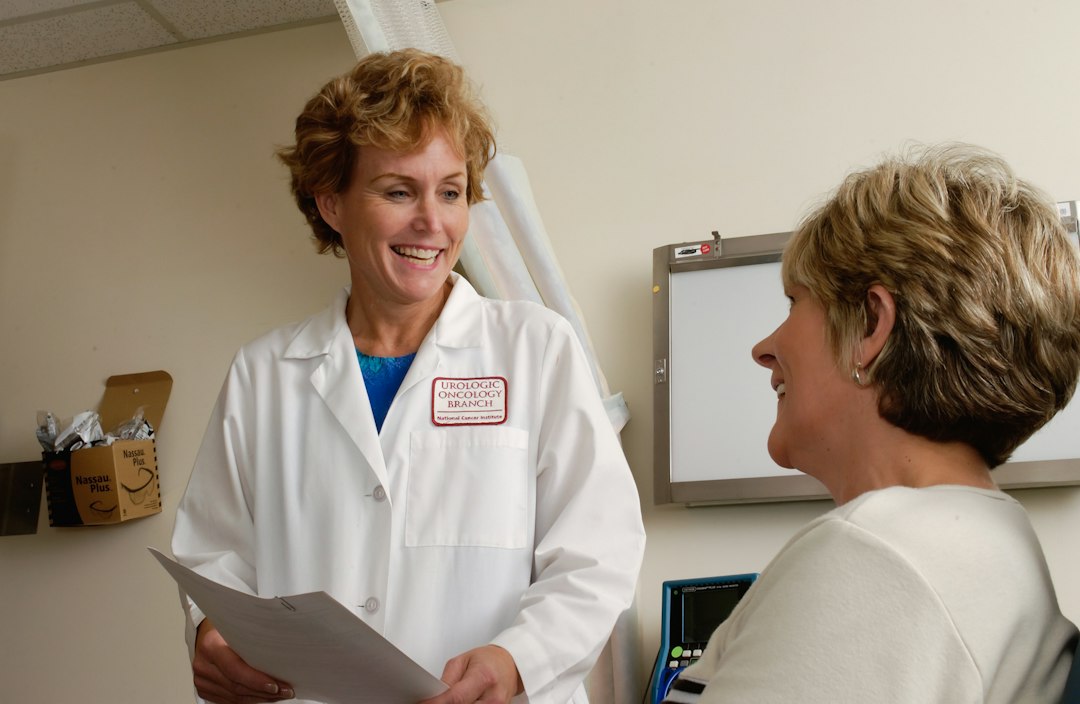
One of the important developments in healthcare is greater attention to the individual patient. Instead of considering only a specific symptom or condition, healthcare professionals can look at medical history, lifestyle, concerns, preferences, and long-term goals.
Patient-centered care also encourages individuals to participate in conversations about their healthcare. Providing understandable information can help patients ask relevant questions and become more involved in decisions concerning their treatment and ongoing well-being.
Why Is Personalized Healthcare Becoming Important?
Patients can respond differently to healthcare interventions, and their circumstances may vary considerably. Personalized approaches consider these differences when evaluating available options. Medical history, current symptoms, previous treatment experiences, and individual priorities can all provide useful context.
This approach does not mean that every patient requires a completely different form of care. Instead, it encourages healthcare professionals to consider how established medical practices may apply to a particular individual. Dr. Christopher Mallavarapu NY represents the idea that personalized attention can complement clinical knowledge and support a more individualized healthcare experience.
What Role Does Technology Play in Modern Care?
Technology has become an important part of contemporary healthcare. Digital records, modern diagnostic resources, remote communication, and other technological developments can help healthcare professionals organize information and monitor patient progress.
However, technology is most useful when it supports rather than replaces meaningful healthcare interactions. Medical information still requires careful interpretation, and patients benefit from professional guidance when understanding complex health-related information.
How Does Preventive Care Support Long-Term Health?
Another important development is increased attention to prevention. Healthcare can involve identifying potential concerns before they become more difficult to manage. Regular evaluations, appropriate screenings, healthy lifestyle choices, and patient education can contribute to preventive strategies.
Preventive care also encourages individuals to become more aware of their own health. Understanding risk factors and recognizing changes in physical well-being can help people know when professional guidance may be appropriate.
Why Is Communication Central to Modern Healthcare?
Clear communication remains essential even as healthcare becomes more technologically advanced. Patients may encounter unfamiliar terminology, complex treatment choices, and detailed medical information. Healthcare professionals can help by presenting information clearly and allowing patients opportunities to ask questions.
Listening is equally important. Patients can provide information about symptoms, concerns, daily experiences, and treatment challenges that may be valuable when considering their ongoing care.
What Does the Future of Healthcare Look Like?
The future of healthcare is likely to continue combining medical knowledge with personalized attention, technology, preventive practices, and stronger patient participation. Continuous professional learning can also help healthcare providers respond to developments in medical understanding and changing patient expectations.
Ultimately, Dr. Christopher Mallavarapu NY reflects a broader contemporary healthcare approach that values informed decisions, individualized attention, communication, prevention, and ongoing evaluation. As healthcare continues to develop, these principles can help create care experiences that are more organized, understandable, and responsive to the needs of individual patients.
Key Takeaways
- Healthcare is increasingly focused on informed decision-making, personalized attention, preventive strategies, and effective communication.
- Patient-centered care emphasizes considering the individual’s medical history, lifestyle, preferences, and long-term goals rather than just specific symptoms.
- Personalized healthcare approaches account for significant differences in how patients respond to treatments based on their unique contexts.
- Technology aids in organizing information and monitoring patient progress, but it is most effective when it enhances rather than replaces personal interactions.
- Preventive care strategies include regular evaluations, screenings, and education, helping individuals recognize health changes and seek guidance when necessary.
- Clear communication is vital in modern healthcare, ensuring patients understand complex information and allowing them to participate actively in their treatment decisions.