Intel Larrabee GPU has been found in a storage unit, and it reportedly runs Crysis, highlighting its powerful performance and unique development features.
Introduction to Intel Larrabee GPU
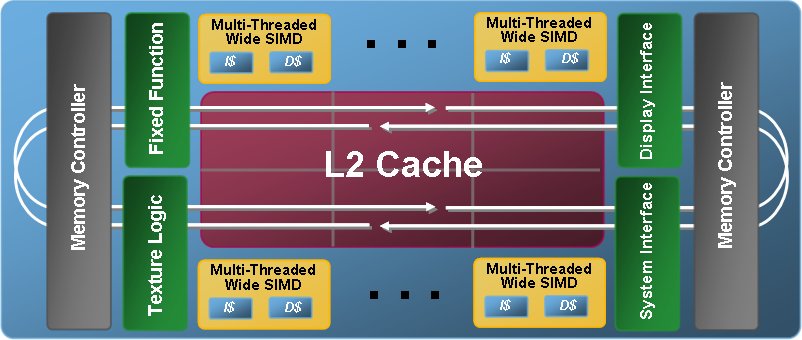
The recent discovery of a full Intel Larrabee GPU development system in a storage unit has sparked excitement among tech enthusiasts and retro gaming fans alike. This long-forgotten hardware, which was once heralded as a groundbreaking advancement in graphics processing, is now seen as a nostalgic piece of computing history. The Intel Larrabee GPU was initially designed to compete with existing graphics cards, featuring an innovative architecture that combined traditional graphics capabilities with the flexibility of general-purpose computing.
Reports indicate that the system is capable of running Crysis, a game renowned for its demanding graphics requirements, showcasing the potential power of the Larrabee architecture. This revelation underscores the ambitious goals Intel set for the Larrabee project, aiming to push the boundaries of what GPUs could achieve at the time.
In examining the significance of the Intel Larrabee GPU, several key points emerge:
- Innovative Architecture: Designed to bridge the gap between graphics and general processing.
- Nostalgic Value: A piece of technology that represents an ambitious era in GPU development.
- Performance Potential: Its ability to run demanding applications highlights its capabilities.
The Discovery of the Development System
In an unexpected turn of events, a complete Intel Larrabee GPU development system has been discovered in a storage unit, shedding light on a once-promising project that never reached its full potential. This rare find has sparked interest among tech enthusiasts and developers alike, as it represents a significant step in the evolution of graphics processing units.
The Intel Larrabee GPU was initially designed to compete with established graphics cards from companies like NVIDIA and AMD. With its innovative architecture, it aimed to revolutionize the way graphics were processed, incorporating many-core technology that enabled parallel processing. However, despite its groundbreaking design, the project faced numerous challenges, leading to its eventual cancellation.
Now, with the development system in hand, many are eager to explore its capabilities. Early reports indicate that the system is operational and can run demanding titles such as Crysis, a benchmark for graphics performance. This discovery not only reignites interest in the Intel Larrabee GPU but also raises questions about its potential impact on future graphics technology.
As industry experts analyze the system, the community eagerly anticipates what could be learned from this remarkable piece of technology.
Running Crysis: Performance Insights
The recently recovered Intel Larrabee GPU development system has garnered significant attention due to its ability to run the demanding game Crysis. As enthusiasts and developers alike explore this unique piece of hardware, performance insights reveal both strengths and weaknesses in its capabilities.
Initial tests indicate that the Larrabee GPU demonstrates:
- Impressive graphical fidelity: The system manages to deliver high-quality graphics, showcasing the potential of Intel’s architecture.
- Variable frame rates: While capable of running Crysis, the frame rates can fluctuate, especially in more complex scenes.
- Potential for optimization: Developers are optimistic that with further refinement, performance can be enhanced significantly.
Furthermore, the Larrabee GPU’s architecture allows for unique parallel processing capabilities, which could be advantageous for future gaming and rendering applications. As more developers get their hands on this system, we can expect comprehensive performance analyses that may shed light on its true potential. The interest surrounding the Intel Larrabee GPU not only highlights its historical significance but also its relevance in the ongoing discussion about graphical processing advancements.
Historical Context of Larrabee
The Intel Larrabee GPU, which aimed to redefine graphical processing units, has a rich history that dates back to the late 2000s. Originally conceived as a competitor to established GPU architectures, Larrabee was designed to leverage Intel’s experience in multi-core processing and parallel computing. This ambitious project was intended to combine the strengths of traditional CPUs and GPUs, offering developers a versatile platform for a range of applications.
Despite its innovative design, Larrabee faced several challenges during its development. The complexity of creating a fully programmable graphics architecture posed significant hurdles, which ultimately delayed its market release. As a result, when Intel introduced Larrabee, it emerged as a niche product focused on high-performance computing rather than the mainstream gaming market. This pivot signaled a shift in Intel’s strategy, emphasizing the need for flexibility and power in computing solutions.
Recently, a full Intel Larrabee GPU development system was discovered in a storage unit, reigniting interest in this once-promising technology. Reports indicate that it is capable of running Crysis, a game known for its demanding graphics, showcasing the potential that Larrabee had during its time. This discovery highlights the lasting impact and legacy of the Larrabee project in the evolution of graphics computing.
Implications for Future GPU Development
The discovery of the Intel Larrabee GPU development system has significant implications for the future of GPU development. As the industry continues to evolve, understanding past innovations can guide the creation of more advanced graphics technology.
Intel’s foray into the GPU market with Larrabee marked a pivotal moment, showcasing the potential for integrating parallel processing capabilities. This system’s architecture emphasized the importance of utilizing multiple cores for enhanced performance, a concept that is now foundational in modern GPU design.
Key implications from the Intel Larrabee GPU include:
- Architectural Insights: The lessons learned from Larrabee’s strengths and weaknesses can inform future designs, particularly in balancing efficiency and power.
- Cross-Platform Capabilities: Its ability to run complex applications like Crysis demonstrates the viability of using GPUs for diverse computational tasks beyond gaming.
- AI and Machine Learning: The architecture can inspire future GPUs aimed at accelerating AI workloads, an increasingly important area in technology.
Ultimately, the Intel Larrabee GPU serves as a touchstone in the pursuit of innovation, reflecting how historical developments shape the trajectory of GPU advancements.
Comparing Larrabee to Modern GPUs
When comparing the Intel Larrabee GPU to modern graphics processing units, several key differences and similarities emerge that highlight its unique place in gaming history. While contemporary GPUs have advanced significantly in terms of performance, efficiency, and architecture, Larrabee’s design was innovative for its time, featuring a multi-core architecture that aimed to optimize parallel processing.
Today’s GPUs, such as those from NVIDIA and AMD, leverage advanced manufacturing processes and dedicated hardware for ray tracing, machine learning, and other computational tasks. In contrast, Larrabee was primarily focused on general-purpose computing capabilities, which made it versatile but less specialized.
- Architecture: Modern GPUs utilize highly parallel architectures with specialized cores, whereas Larrabee’s many x86 cores were designed to handle a broader range of computations.
- Performance: While Larrabee was capable of running demanding titles like Crysis, it often fell short in benchmarks compared to its contemporary counterparts.
- Development Focus: Larrabee was intended as a development platform, promoting an open environment for developers, unlike the more closed ecosystems of modern GPUs.
Ultimately, the Intel Larrabee GPU serves as a reminder of the evolution of graphics technology and the continuing quest for innovation in the field.
Conclusion and Future Prospects
In conclusion, the discovery of the Intel Larrabee GPU development system highlights a pivotal moment in the evolution of graphics technology. This once-hidden piece of hardware not only showcases Intel’s ambitious foray into the GPU market but also serves as a reminder of the rapid advancements in computing power and graphics capabilities over the years. The performance insights gained from running demanding applications like Crysis demonstrate the potential that Larrabee had, despite its eventual commercial struggles.
Looking ahead, the implications of Larrabee’s architecture could still resonate in future GPU developments. As the demand for high-performance graphics continues to rise, lessons learned from Larrabee’s design might influence new innovations. The continued interest in parallel processing and real-time rendering could pave the way for Intel to revisit and refine concepts pioneered by the Larrabee project.
Moreover, as the industry shifts towards AI and machine learning, the technologies that underpin graphics rendering may evolve further. Intel’s experience with Larrabee could provide valuable insights into optimizing GPUs for these emerging applications. The legacy of the Intel Larrabee GPU remains, encouraging both reflection and anticipation for what lies ahead in the world of graphics technology.
via Wikimedia Commons
Sources
Related stories
Autonomous Coding Agent: The Smart Challenge to Claude Code · Silent Hill Townfall Update: Best Hard Difficulty Added · Final Fantasy XIV Fan Fest: Major Announcements You Can’t Miss