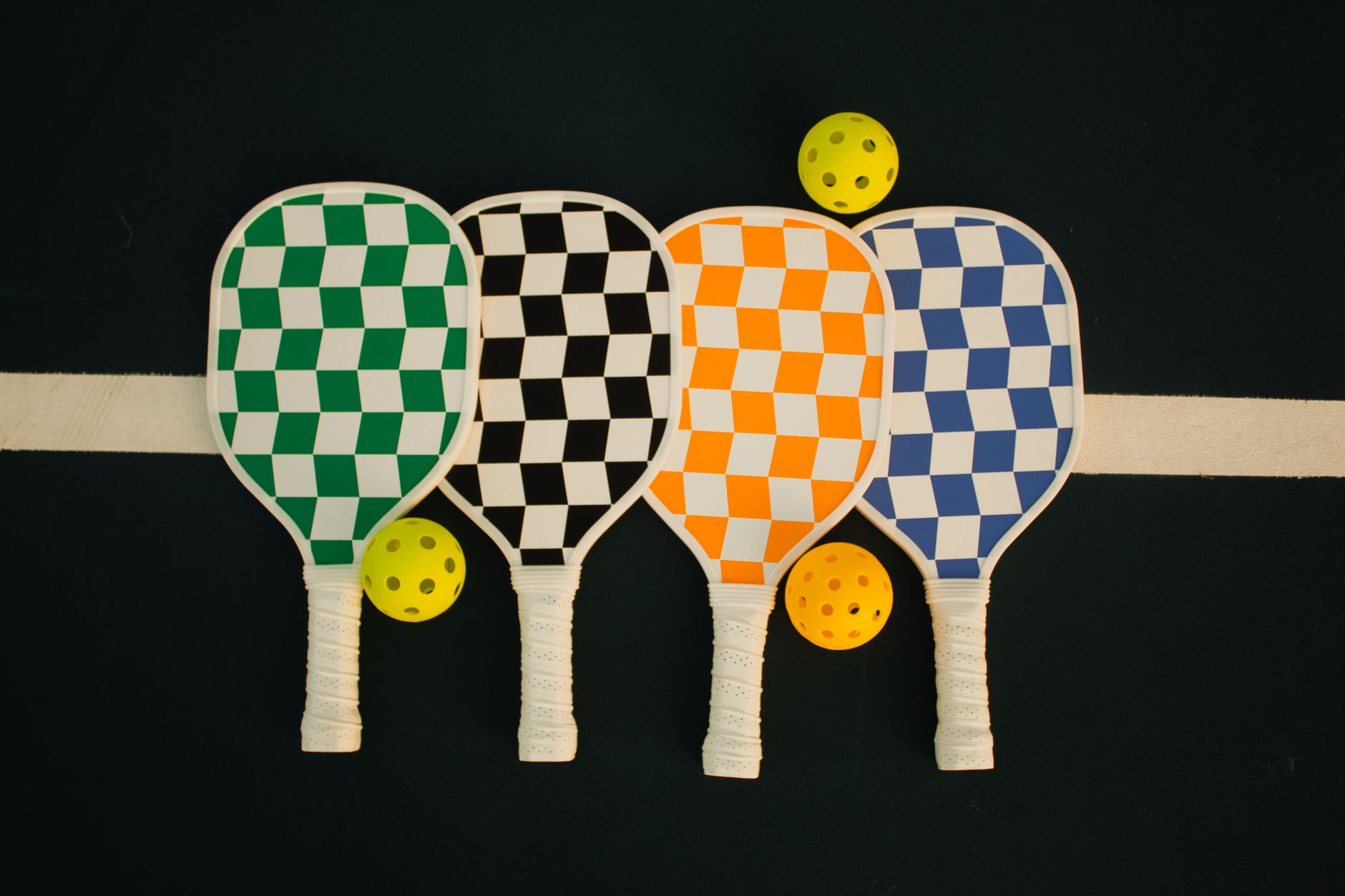
Choosing the right paddle can influence control, comfort, consistency, and overall confidence on the court. With different shapes, materials, weights, grips, and playing characteristics available, finding a suitable option requires more than simply looking at appearance. A structured compare pickleball paddles approach helps players examine important characteristics side by side and understand which features align with their playing style, experience, and goals.
Jump To
- What Should Players Look for When Comparing Pickleball Paddles?
- Why Does Paddle Weight Matter?
- How Does Paddle Shape Affect Performance?
- What Role Does the Paddle Surface Play?
- Why Is the Core Important?
- How Should Grip Size Be Evaluated?
- Can Paddle Comparisons Help Beginners?
- What Makes a Paddle Comparison Useful?
- How Can Players Choose With Greater Confidence?
What Should Players Look for When Comparing Pickleball Paddles?
The most useful comparison begins with the paddle’s core characteristics. Weight, surface material, paddle shape, grip size, handle length, and core construction can all influence how the paddle performs during a match. Players should consider how these characteristics work together rather than judging a paddle from a single specification.
A balanced evaluation makes it easier to identify whether a paddle is designed primarily for control, power, maneuverability, or a combination of playing qualities. This approach can also help prevent players from selecting equipment based solely on trends or appearance.
Why Does Paddle Weight Matter?
Weight has a direct relationship with handling and swing feel. Lighter paddles can feel easier to maneuver, particularly during quick exchanges at the net. They may also be comfortable for players who prefer rapid reactions and frequent paddle movement.
Heavier paddles can provide a more substantial feel through contact and may appeal to players who want additional stability. However, the ideal weight depends on individual strength, technique, comfort, and playing habits.
When reviewing different paddles, players should consider whether the weight feels manageable throughout an entire session rather than focusing only on how it feels during a few practice shots.
How Does Paddle Shape Affect Performance?
Paddle shape can influence reach, maneuverability, and the location of the sweet spot. Wider designs may provide a generous hitting area and can feel forgiving for players developing consistency. Longer shapes may offer additional reach and can appeal to players who value coverage and leverage.
There is no universal shape that suits every player. A comparison should therefore consider court position and personal technique. Someone who frequently plays close to the kitchen line may prioritize maneuverability, while another player may value reach for defensive situations.
What Role Does the Paddle Surface Play?
The surface affects how the ball responds when it makes contact with the paddle. Different surface materials and textures can influence feel, responsiveness, and the player’s ability to generate spin.
Players who rely on controlled placement may want to pay close attention to surface characteristics. Those who frequently use topspin, slices, or other shot variations may also consider how the paddle responds to different contact angles.
Rather than assuming that a particular material is automatically better, players should evaluate how the surface supports their established technique.
Why Is the Core Important?
The paddle core contributes significantly to its overall feel. Core construction can affect responsiveness, sound, control, and the way energy transfers from the paddle to the ball.
A comparison becomes more meaningful when players examine core characteristics alongside surface construction. Two paddles can have similar dimensions while providing noticeably different sensations during play because their internal construction differs.
Understanding these details can help players connect technical specifications with practical court performance.
How Should Grip Size Be Evaluated?
Grip comfort is often overlooked during equipment selection, yet it can influence control and confidence. A grip that feels too large or too small may make it harder to maintain a consistent hold during rapid exchanges.
Players should consider hand comfort, handle shape, and the amount of grip adjustment needed during play. A comfortable handle can support smoother swings and reduce unnecessary tension.
Can Paddle Comparisons Help Beginners?
Yes. Beginners can benefit greatly from organized comparisons because equipment specifications may initially seem confusing. Looking at weight, shape, grip, core, and surface characteristics together creates a clearer picture of what each paddle offers.
A structured comparison also encourages new players to think about their own preferences instead of choosing equipment without understanding its characteristics. As skills develop, players can revisit those preferences and determine whether their current paddle continues to meet their needs.
What Makes a Paddle Comparison Useful?
A useful comparison connects specifications with real playing requirements. Instead of simply listing features, players should consider how each characteristic may affect control, maneuverability, stability, reach, and comfort.
It is also helpful to evaluate paddles according to consistent criteria. Reviewing the same characteristics for every option creates a clearer and more organized decision-making process.
How Can Players Choose With Greater Confidence?
The best approach is to begin with playing style and personal comfort, then use paddle specifications to narrow the choices. Players should consider whether they prioritize control, power, speed, reach, stability, or versatility.
A thoughtful comparison does not necessarily identify one universally superior paddle. Instead, it reveals which characteristics are most relevant to a particular player. By combining practical needs with clear equipment information, players can make more informed decisions and select a paddle that complements their development on the pickleball court.
Key Takeaways
- Choosing the right paddle can influence control, comfort, consistency, and overall confidence on the court.
- Paddle weight affects handling and swing feel, with lighter paddles being easier to maneuver and heavier ones providing more stability.
- Paddle shape influences reach, maneuverability, and the location of the sweet spot, meaning different shapes can suit different playing styles.
- The paddle surface can affect the ball’s response upon contact, influencing factors such as feel, spin generation, and shot variations.
- The core construction of the paddle significantly impacts its responsiveness, sound, control, and transfer of energy between the paddle and the ball.
- Grip comfort is crucial for maintaining control during play, with improper grip sizes potentially hindering performance.